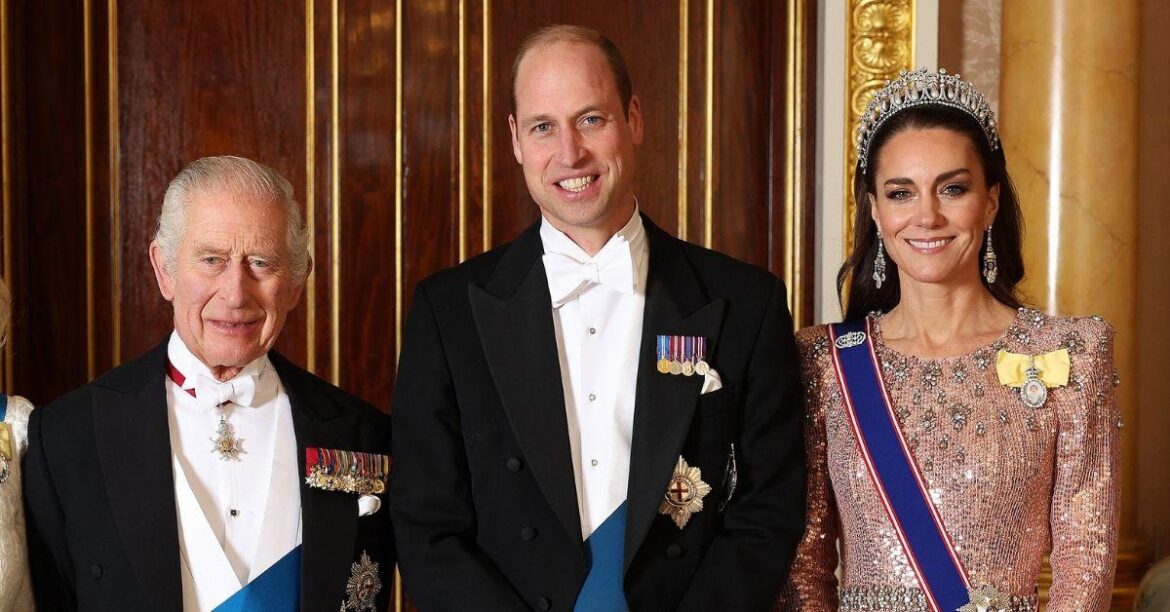
The dual cancer diagnoses of his father and wife have profoundly impacted the heir to the throne, leading him toward a deeper personal faith and a more determined focus on his future role, according to a new royal biography.
The book details how the Prince of Wales was deeply affected upon learning of the serious health challenges facing both King Charles III and the Princess of Wales within a short span of time. In response to these personal crises, sources indicate the couple have found significant solace in their religious beliefs, with the Prince reportedly attending private worship services more regularly than in the past.
Amidst these private struggles, the dynamics of preparing for sovereignty continue. While the King and his heir are said to collaborate effectively, the biography notes occasional underlying tensions, particularly regarding the pace and nature of modernizing the monarchy. Both are described as strong-willed, though the King is said to value his son’s counsel and trust his judgment.
Those who work with the future king describe his leadership style as pragmatic and action-oriented, with an ability to motivate his team and maintain a forward-looking optimism—a trait deemed essential for the long reign that lies ahead.
The Prince’s vision for the institution also extends to safeguarding its reputation. He is understood to view his uncle, the Duke of York, as a serious liability due to the latter’s association with convicted sex offender Jeffrey Epstein. The Prince reportedly believes the Duke’s presence at royal functions poses a reputational risk and sends a poor message to survivors of abuse, underscoring his proactive stance on issues he sees as threatening the monarchy’s stability.
This period of personal trial appears to have solidified the heir’s resolve, blending private faith with a clear-eyed, hands-on approach to the immense responsibilities he is destined to inherit.