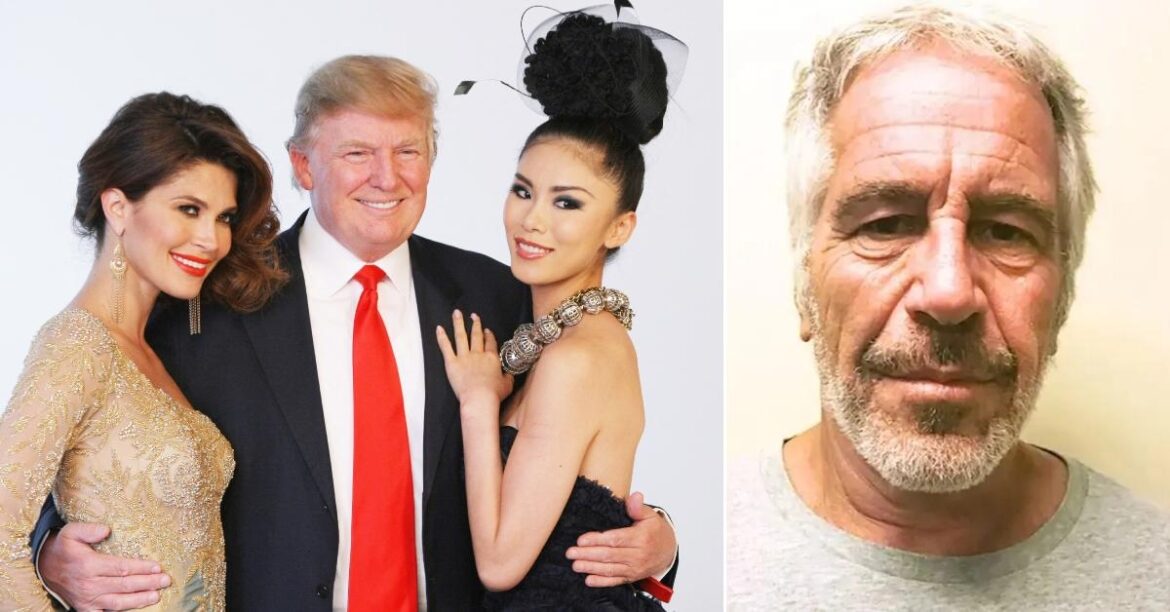
A trove of emails released this week has shed new light on the relationship between the late financier Jeffrey Epstein and former President Donald Trump, centering on an alleged offer of compromising photographs.
According to the correspondence, in December 2015, shortly after Trump announced his presidential campaign, Epstein contacted a journalist with an offer. The disgraced financier proposed providing images described as showing Trump with “girls in bikinis” at Epstein’s residence. The journalist, identified in reports as former New York Times writer Landon Thomas Jr., expressed immediate interest in the material.
The email exchange, made public by the House Oversight Committee, indicates the offer was made as public interest in a 2002 magazine profile of Epstein, which included comments from Trump, was renewed. In that decades-old profile, Trump had characterized Epstein as a “terrific guy” who enjoyed a vibrant social life.
The released chain of messages shows Epstein engaging with the reporter over a two-hour period, during which he also suggested inquiries be made about an alleged incident where Trump was reportedly so distracted by individuals swimming in a pool that he walked into a glass door. The financier further alluded to having conducted research into Trump’s financial dealings.
It is noted, however, that the journalist later stated the promised photographs were never actually delivered, leaving their existence unverified. The former president has not been accused of any criminal activity related to Epstein’s sex trafficking operation and has previously dismissed associated allegations as fabrications.
The emails also contain a separate 2018 message from Epstein to a former White House official, in which he made a disparaging remark about Trump’s character, suggesting he could face future legal complications.
These communications add another layer to the ongoing public examination of the connections between powerful figures and the convicted sex offender, though they stop short of providing conclusive evidence of misconduct.