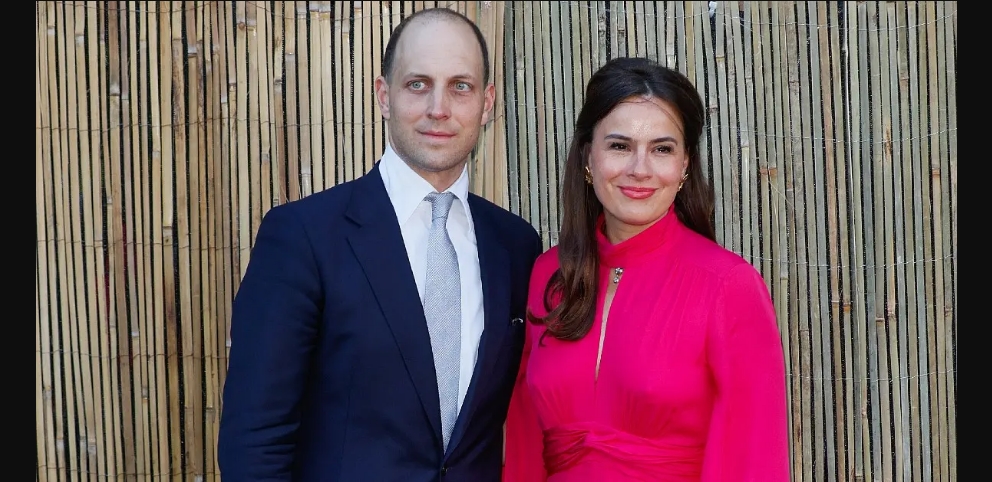
Life within the gilded walls of the monarchy is often perceived as one of privilege and duty, but a member of the extended royal circle has offered a strikingly different perspective. In a rare moment of public candor, the focus has turned to the immense psychological weight carried by those born into or marrying into the institution.
The individual, known for her career in the arts before her marriage, described the experience as intensely challenging. She characterized the constant, uninvited public scrutiny as a “form of torture,” highlighting a fundamental difference between sought-after celebrity and the inescapable fame that defines royal existence from birth.
“Their lives are under a blinding spotlight from the very beginning,” she explained, pointing to the pervasive pressure, the difficulty in discerning trust, and the relentless spread of misinformation as defining features. “It’s a brutal environment,” she stated, expressing sympathy for family members who have no choice but to navigate this reality. “A life with that level of scrutiny and pressure is not remotely healthy, but it is their unavoidable reality.”
Observers close to the household suggest these remarks resonate because they articulate a seldom-voiced truth. While the speaker occupies a more peripheral role within the family structure, her vantage point has afforded her a clear view of its relentless demands. Her empathy, according to sources, is seen by some as refreshingly honest, though unusually direct for the traditionally reserved royal context.
This reflection on the burdens of royal status finds echoes elsewhere. Another figure who married into the family’s outer orbit has previously declined the notion of accepting a formal title, emphasizing a desire for normalcy and the ongoing necessity of personal career pursuits, dispelling the myth of automatic financial security.
Beyond her commentary on royal life, the same individual has actively used her public voice to advocate for children’s welfare, particularly expressing caution about the rapid integration of technology in education. She has warned against the over-reliance on digital tools and artificial intelligence in classrooms, arguing that it risks replacing the cultivation of essential human skills with what she termed “neurological junk food.” Her position advocates for an educational focus on abilities that technology cannot easily replicate, preparing students for a future alongside, rather than dominated by, AI.