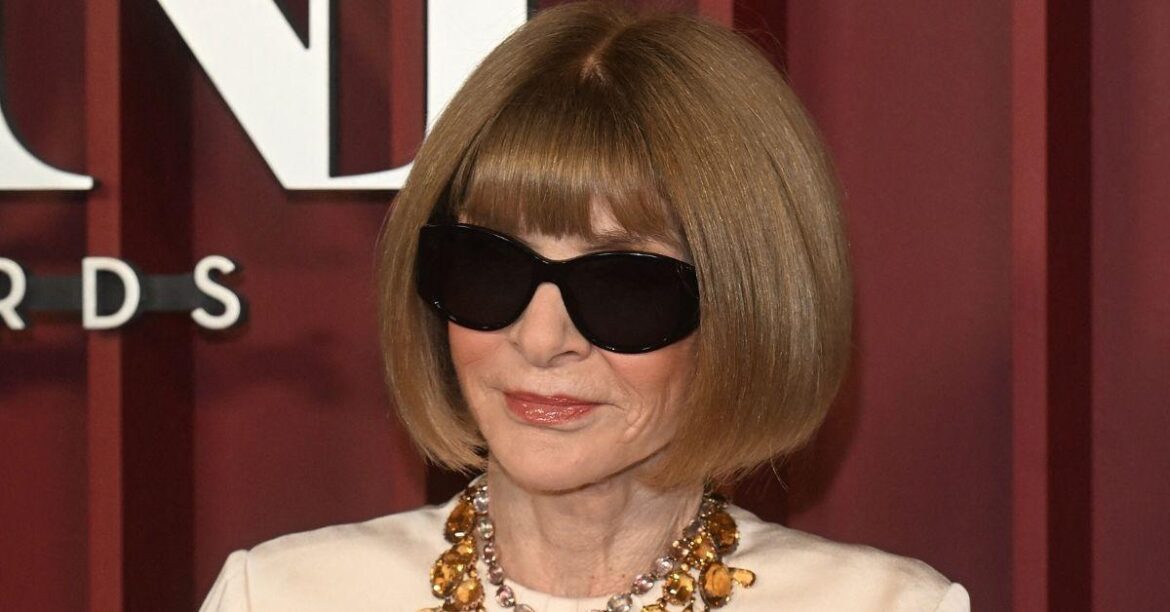
A defining chapter in fashion publishing has closed. Anna Wintour, the iconic figure who has steered Vogue for nearly four decades, has relinquished her position as the magazine’s editor-in-chief.
The announcement was made internally on June 25, marking the end of a 37-year tenure that transformed the publication and the wider industry. While stepping back from the day-to-day leadership of Vogue, Wintour will retain her broader corporate responsibilities as Global Chief Content Officer for Condé Nast and Global Editorial Director for Vogue, overseeing a portfolio of international titles.
Wintour’s influence at Vogue began in the 1980s. Her appointment as editor-in-chief of American Vogue in 1988 was immediately signaled by a groundbreaking first cover that defied convention, featuring a model in an unconventional mix of high-fashion and casual denim. This move set a precedent for a career built on challenging norms and sparking dialogue.
Throughout her leadership, the magazine’s covers became cultural events in themselves, often featuring figures from beyond the traditional fashion sphere, including politicians, athletes, and entertainment icons, consistently pushing the publication into the center of contemporary conversation.
Her impact extended far beyond the printed page. She is synonymous with the Met Gala, which she has helped oversee for decades, and has played a pivotal role in nurturing design talent through industry initiatives. Her distinct personal style—marked by a precise bob and signature sunglasses—became an instantly recognizable symbol of authority in the fashion world.
This leadership transition occurs against a backdrop of significant restructuring within the parent media company, which has undergone several rounds of staff reductions in recent years. Wintour’s departure from the helm of Vogue signifies a major shift for the institution she shaped for a generation, as the publication now commences a search for a new editorial voice to guide its future.