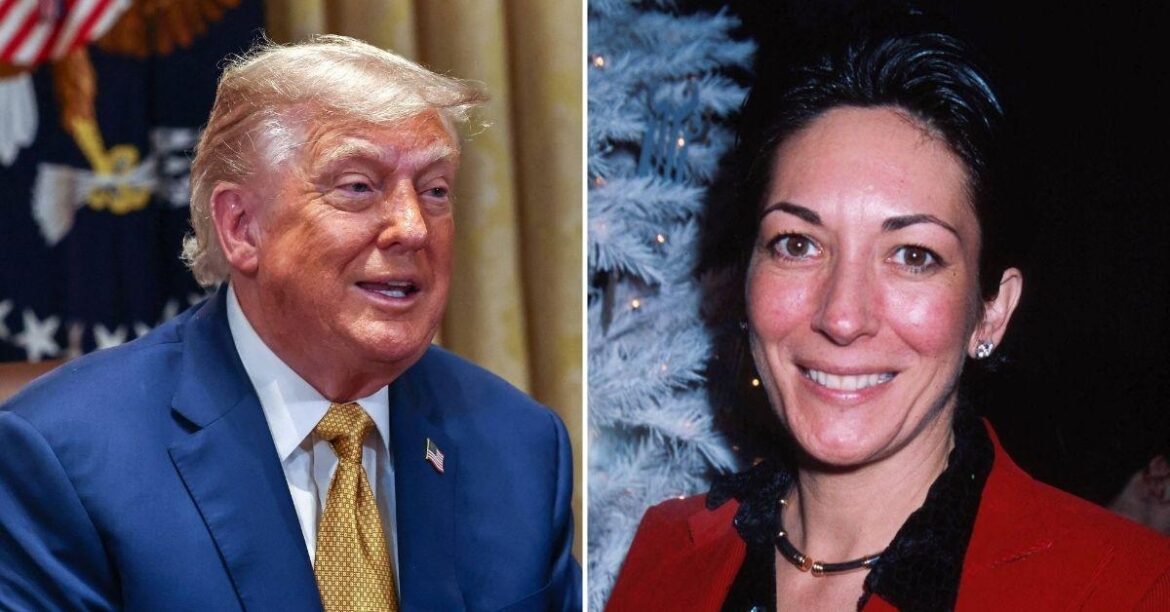
During his time in office, the former president entertained the idea of granting a pardon to Ghislaine Maxwell, the convicted associate of the late financier Jeffrey Epstein, according to a recent account. The suggestion, reportedly discussed internally, was motivated by apprehensions about what information Maxwell might disclose if not granted clemency.
Sources indicate the proposal was met with significant resistance from advisors, who expressed strong reservations. The prevailing sentiment among those close to the situation was a hope that Maxwell would remain silent, coupled with a firm desire that executive clemency not be extended to her. Ultimately, no pardon was granted, with the internal unease cited as a key factor in the decision.
Maxwell is currently serving a 20-year prison sentence following her 2022 conviction for her role in facilitating Epstein’s sexual abuse of underage girls. Despite her legal team’s efforts, including a recent appeal to the Supreme Court to overturn her conviction and claims of cooperation offers to federal prosecutors, she remains incarcerated. Her attorney has publicly argued that her continued imprisonment is unjust, particularly in light of recent government statements.
Those statements, contained in a Department of Justice memo, have themselves sparked controversy. The memo asserted that no verifiable “client list” of Epstein’s associates exists, contradicting prior public claims by a former state attorney general who had insisted such a list was in her possession and would be released. This discrepancy has fueled ongoing public skepticism and speculation about the full extent of Epstein’s network.
The former president’s past social connection to Epstein has been noted in previous reports, including complimentary remarks made years before Epstein’s criminal activities came to light. A former senior aide later sought to downplay their association, stating the two had not been in contact for over a decade prior to Epstein’s arrest.