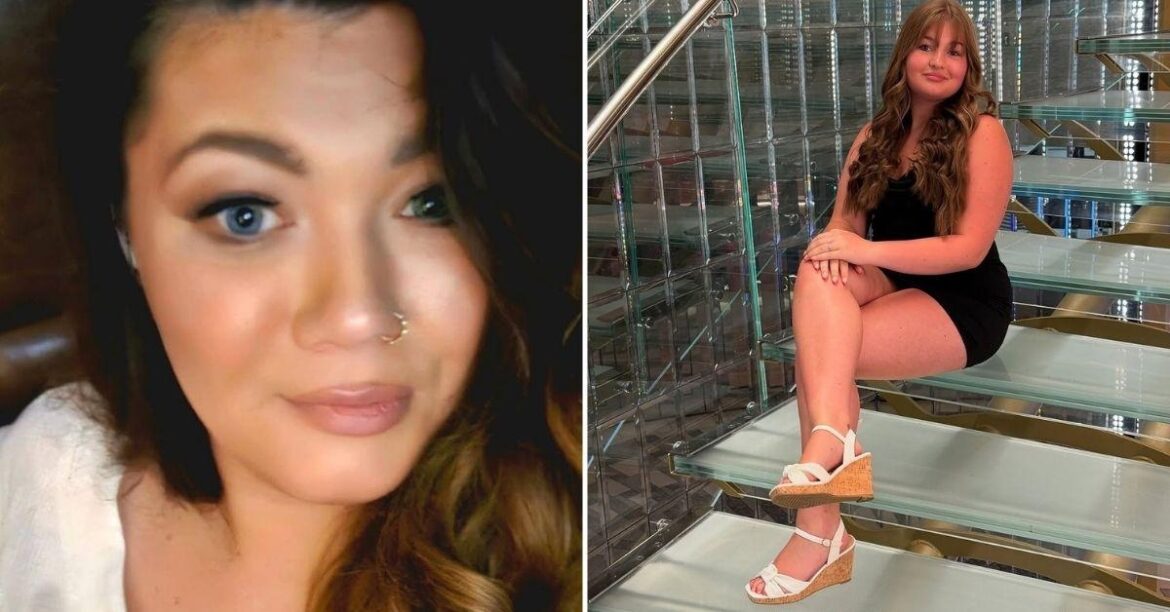
A former reality television personality has publicly accused the network behind her long-running show of manufacturing a dramatic confrontation with her teenage daughter for the sake of ratings.
The controversy stems from the season finale of a popular docuseries, which featured a pivotal moment where the star received a blunt text message from her 16-year-old daughter, Leah. The message explicitly stated that the teenager’s long-standing decision to limit contact was her own, uninfluenced by others, and cited her mother’s “recent online activities” as a catalyst for needing to establish a firm boundary.
The televised reaction showed the mother becoming visibly distraught, pleading with her daughter to “stop” and insisting she was too young to understand the complexities of their strained relationship. She argued that her child was being disrespectful and should not be involved in parental disputes.
However, in a recent online broadcast, the mother presented a starkly different behind-the-scenes narrative. She claimed the network’s camera crew arrived at her home unexpectedly on a day she was not scheduled for significant filming. Shortly after their arrival, she received the fateful text from her daughter, with whom she had been out of contact for months.
“It was a setup,” she asserted. “They came to capture the reaction in real time. I was furious—I told every single one of them to get out of my house.” She believes producers were aware the message was coming and orchestrated the scenario to provoke an explosive on-camera response, marking it as the final time she participated in filming.
The mother questioned the authenticity of the message’s content, wondering how her teenage daughter could articulate detailed grievances about events from her early childhood without external influence, hinting at possible producer involvement in crafting the communication.
This incident follows previous episodes where Leah expressed her frustrations to other cast members. The teenager explained she felt “done” pursuing a relationship due to her mother’s inconsistent presence and a pattern of blaming her father for their estrangement. Leah described going nine months without seeing her mother and characterized their limited interactions as feeling “fake,” especially when they occurred in front of cameras.
While stating she does not harbor hatred, Leah emphasized she is currently focused on her own well-being and finds it emotionally overwhelming to navigate a relationship that feels performative and unstable. The public accusation now casts the show’s dramatic finale in a new light, raising questions about the boundaries between documentary storytelling and manufactured conflict.