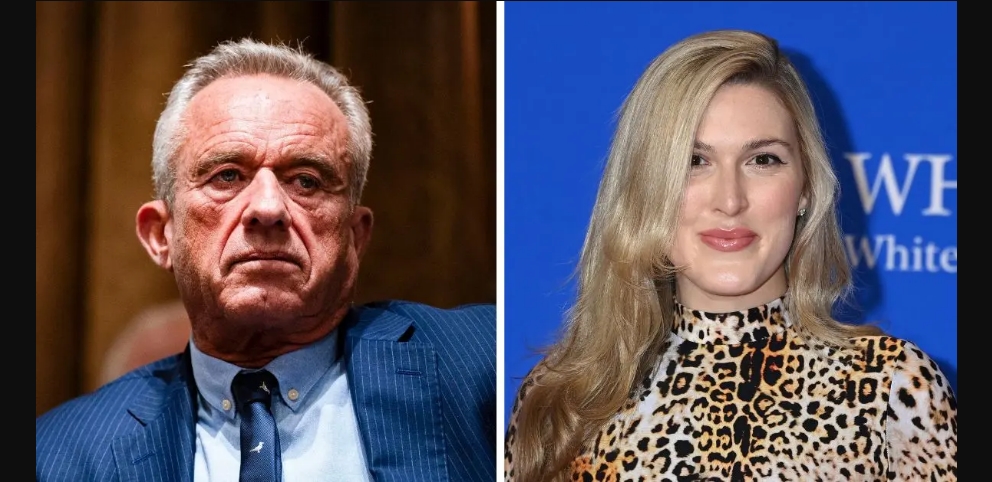
A prominent political journalist is at the center of a growing controversy over the appropriate boundaries between reporting and political activism. New allegations suggest she operated as a private strategist for a presidential candidate while maintaining her public role as an impartial reporter.
According to a detailed account published by a former colleague, the journalist provided extensive, behind-the-scenes counsel to the independent candidate. This guidance reportedly included advising on debate preparation, selecting attire for major appearances, and formulating comprehensive media strategy. The most serious claim involves her alleged use of her professional network to investigate why the candidate was initially denied Secret Service protection, followed by her public lobbying of a high-ranking security official on his behalf. Protection was granted shortly thereafter, a move she reportedly believed would lend gravitas to his campaign.
The allegations extend to political maneuvering, with claims she gathered intelligence during her reporting assignments that could serve a dual purpose: informing her articles and aiding the candidate’s negotiations for potential endorsements as his campaign faced challenges.
These actions have ignited a fierce debate within media circles, framing the situation not merely as a personal scandal but as a fundamental breach of journalistic ethics. The core accusation is that she crossed a critical line, transforming from an observer of the political process into an active participant.
The personal relationship between the journalist and the candidate has also been described in vivid detail, with the publication of intimate correspondence allegedly exchanged between them. The individual making these claims has expressed regret over the public nature of the disclosure but maintains that the ethical implications necessitated it.
The situation underscores persistent and difficult questions about conflict of interest, the separation between press and political power, and the standards to which members of the media are held.