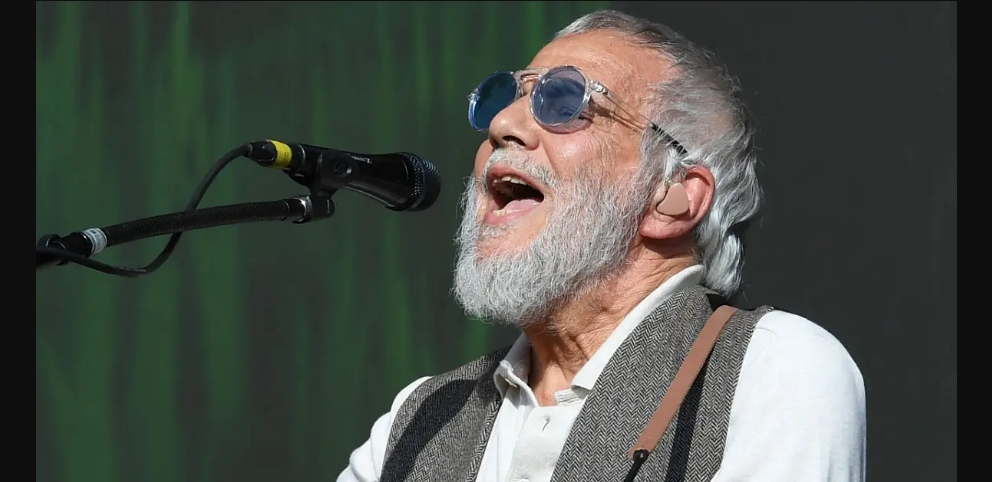
In a new memoir, the artist known for decades as Cat Stevens details a life perpetually balanced on the edge of catastrophe, a journey that ultimately led him from the pinnacle of musical fame to a quiet life of deep religious devotion.
The book, released this year, chronicles the extraordinary path of Steven Demetre Georgiou. Born in post-war London above his parents’ café, he would first transform into the internationally celebrated singer-songwriter Cat Stevens, and later into Yusuf Islam, a name signaling his profound personal and spiritual reinvention.
A recurring theme is the artist’s startling series of encounters with mortality, each acting as a pivot point in his life’s direction. His brushes with death began in adolescence with a dangerous rooftop stunt in London’s theatre district. His initial taste of pop stardom in the 1960s was abruptly halted by a severe tuberculosis diagnosis at age 19. Confinement in a sanatorium, while ending his first career, became a crucible for the more introspective songwriter who would later craft era-defining anthems.
The immense success that followed brought its own turmoil. The memoir describes the corrosive nature of touring and an inflated ego, with the artist himself reflecting on becoming “intolerable.” This period set the stage for what he characterizes as a comprehensive collapse.
Perhaps the most pivotal near-death experience occurred off the coast of Malibu. Caught in a fierce undertow and fighting for his life, he made a desperate promise to dedicate himself to a higher power if he survived. This vow culminated two years later in his conversion to Islam in 1977, his adoption of the name Yusuf Islam, and his gradual withdrawal from the commercial music industry to focus on faith, philanthropy, and family.
The autobiography does not shy away from other harrowing episodes, including a terrifying drug-induced incident. These events are framed not as isolated accidents but as part of a lifelong pattern of testing limits, both physical and psychological.
While charting his spiritual awakening, the narrative also honestly recounts the hedonism and grandiosity of his peak fame, acknowledging how rapidly success distorted his self-perception.
The latter sections of the book address his transition into a life dedicated to spiritual and educational work, which has not been without controversy. It directly addresses the international incident stemming from his 1989 comments on the fatwa against author Salman Rushdie. The memoir states his words were meant to explain a religious ruling, not endorse it, and claims his televised remarks were misleadingly edited.
Ultimately, the memoir presents a life story where perilous moments serve as turning points, steering a course from London’s bustling streets to a sanatorium, from the terror of a Malibu current to the depths of a spiritual crisis, and finally toward a lasting peace found in devotion. It is the portrait of a man who repeatedly escaped the end of his life, only to find an entirely new way to live it.