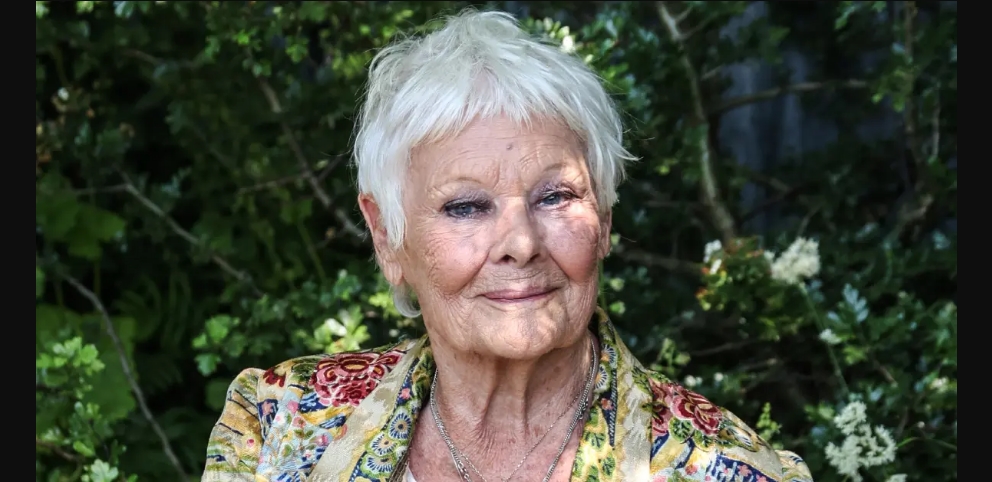
At 90, one of the most revered figures in British acting is confronting a significant and deeply personal challenge: the progressive loss of her central vision. The actress, diagnosed over a decade ago with age-related macular degeneration (AMD), has opened up about the profound impact it has on her daily life and career.
In a recent television interview, she revealed the condition has deteriorated to the point where she can no longer recognize friends or see television screens, and reading is impossible. “I can’t see anymore,” she stated plainly, describing the situation as “hopeless.” The disease, a leading cause of vision loss in older adults, blurs central sight, making tasks like identifying faces, reading, and watching performances exceptionally difficult.
During the conversation, a longtime colleague and friend offered lighthearted support, joking about whether she now greets strangers by mistake. “Yes, sometimes!” she laughed in response, acknowledging the social awkwardness the condition can create.
Her artistic life has been particularly affected. She confessed that attending the theatre is now a frustrating experience, as she cannot see the stage. To follow a recent television program featuring a friend, she required a companion to narrate the events. Similarly, she has had to adapt her professional process; for years now, scripts have been read aloud to her so she can visualize the story.
She has noted a family history with the condition, sharing that her mother also lived with macular degeneration. While the disease does not cause total blindness, the erosion of central vision presents a formidable obstacle, changing how she interacts with the world, her art, and the people around her. Her candid remarks highlight the personal realities behind a common age-related health issue.