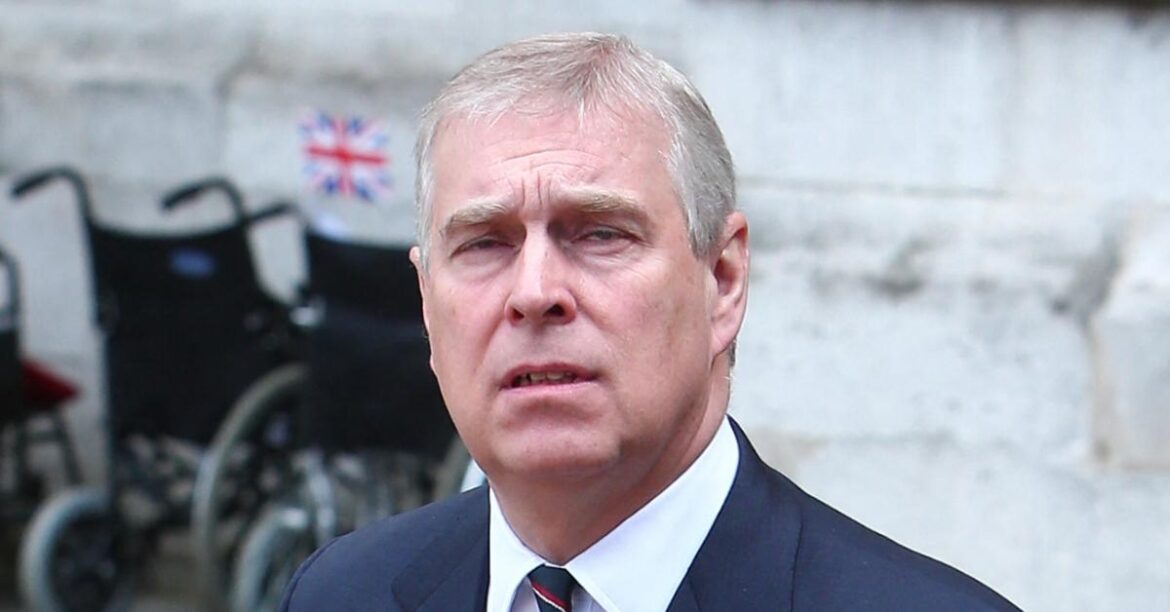
The ongoing recalibration of a former senior royal’s public identity has taken another turn, this time centering on a seemingly minor but symbolically significant piece of punctuation.
Earlier this year, following the stripping of his military affiliations and royal patronages, it was announced that the former Duke of York would cease to use the style ‘His Royal Highness’ and would be known in a private capacity as Andrew Mountbatten Windsor. However, that newly established name is now under review.
Reports indicate that the name initially released omitted a hyphen, rendering it “Mountbatten Windsor.” This format is now expected to be corrected to “Mountbatten-Windsor,” aligning with a historic declaration made over six decades ago.
The hyphenated surname traces its origin to a 1960 Order in Council issued by the late Queen Elizabeth II. The declaration stated that her descendants, other than those holding the title of Prince or Princess and the style of Royal Highness, would bear the surname Mountbatten-Windsor. This combined name honored both the House of Windsor and the family name of her husband, Prince Philip, who was born into the House of Schleswig-Holstein-Sonderburg-Glücksburg but adopted the surname Mountbatten.
Historical accounts suggest the decision was, in part, a personal concession to Philip. It has been widely reported that he expressed frustration at feeling unable to pass his name to his lineage, a sentiment famously paraphrased as him feeling like “nothing but a bloody amoeba.” The creation of the double-barreled surname for certain descendants was seen as a resolution.
Commenting on the recent omission, a royal historian noted the strength of the “historic precedent” for the hyphen, viewing its anticipated reinstatement as a continuation of that original familial compromise. “Despite everything that has gone on,” the historian observed, “it maintains the link to the Mountbatten name for future generations.”
The adjustment underscores the formal and precise nature of royal protocols, where even a small dash carries the weight of history and personal legacy. The change represents the latest step in the complex process of redefining the position of a figure who has been removed from the working ranks of the monarchy.