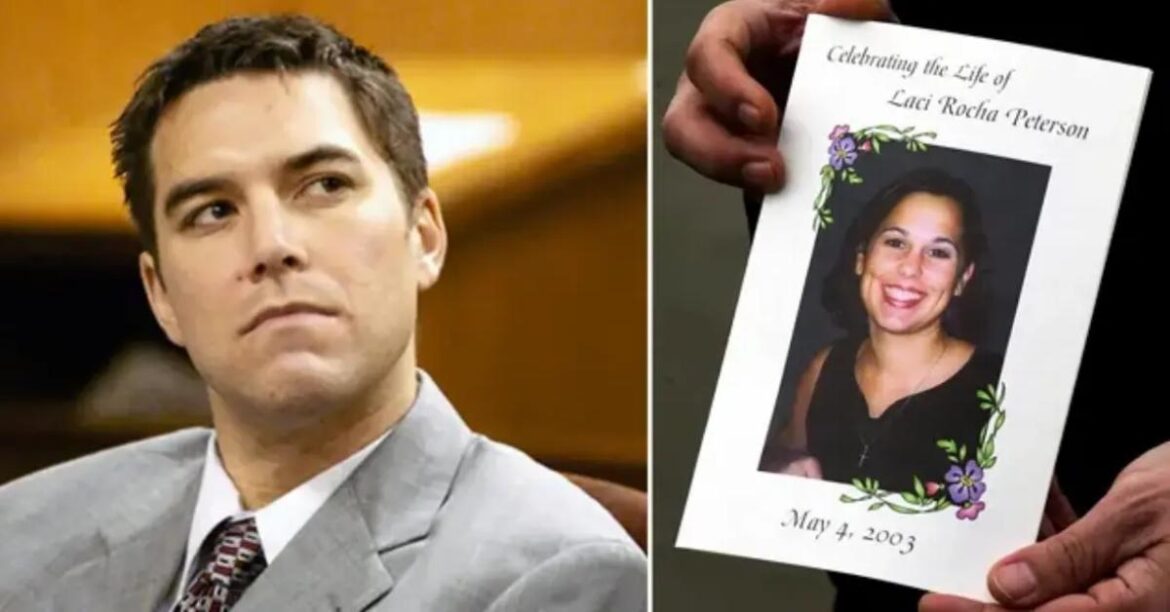
A prominent legal analyst has publicly questioned whether a notorious murder case, which resulted in a life sentence for the defendant, constituted a fair trial. The comments come as a major innocence organization pursues a lengthy appeal on the convict’s behalf.
The individual at the center of the case was convicted over two decades ago for the murder of his pregnant wife, who disappeared on Christmas Eve. He is currently serving a life sentence without the possibility of parole.
According to the analyst, the original trial was marred by an unprecedented level of emotion that may have compromised the jury’s objectivity. “The emotional charge of this trial was off the charts,” the expert stated, noting extensive experience with murder trials. “I’ve never seen a jury panel so emotionally affected.” The expert emphasized this observation was not a declaration of the defendant’s guilt or innocence, but a serious concern about the judicial process itself.
The appeal, filed by the Los Angeles Innocence Project, is a substantial document arguing for the conviction to be overturned. The legal expert suggested the prosecution may be vigorously defending the verdict out of concern it could be reversed, particularly given the case’s reliance on circumstantial evidence. “You have no scientific evidence, no eyewitnesses,” the analyst noted.
A significant portion of the appeal reportedly focuses on the police investigation, alleging “confirmation bias.” The argument contends that investigators may have prematurely settled on a theory and only sought evidence that supported it, potentially ignoring alternative leads or exculpatory information. “There’s been a lot of criticism of how the police investigated this case because a lot of us think that they made up their minds early on,” the expert said.
While the involvement of the Innocence Project draws public attention, the analyst cautioned that appellate courts are not obligated to give their decision special weight. The process is expected to be lengthy, potentially taking a year or more, due to the enormous volume of trial transcripts and evidence that must be reviewed.
The analyst concluded that while questions about investigative bias are powerful, they may not be sufficient alone to overturn the conviction. The ultimate decision now rests with the appellate court, which must determine if the original trial was fundamentally just.