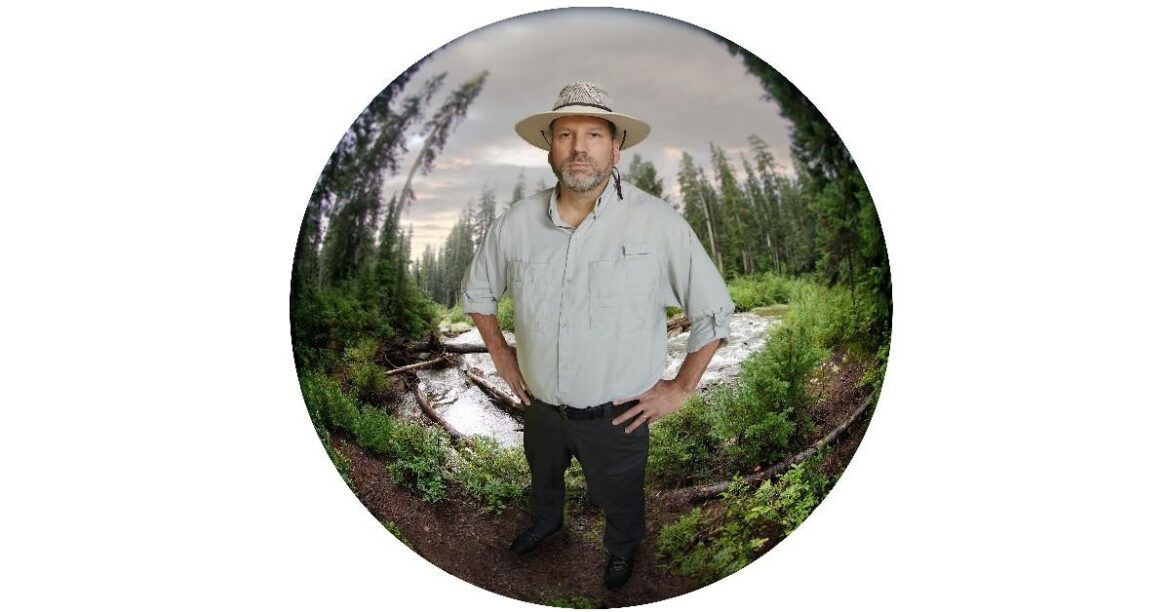
For Woody Kaminer, agreeing to participate in a groundbreaking survival competition was a leap into the complete unknown. The premise was intense: contestants are left to fend for themselves in a harsh, remote wilderness while their loved ones observe via live video and control their fate, deciding whether to send aid or trigger an early exit.
The experience, he reveals, proved to be profoundly transformative. Kaminer reports significant personal health improvements since filming ended, including the complete cessation of chronic daily headaches and sustained weight loss. Yet, the most profound change was relational. The ordeal served as a powerful catalyst, dramatically deepening his connections with his son, Blake, and nephew, Collin.
“The bond we share now is unbreakable,” Kaminer states. “We came out of this with a shared history that goes beyond anything typical. We laugh together constantly, but more importantly, we understand each other on a completely new level.”
The journey began when his wife discovered the casting call, presenting the unique concept to the family. Intrigued by the unprecedented format, they collectively decided to embrace the challenge. What followed was a physical and mental trial by fire, set against the formidable backdrop of the Canadian wilderness.
Kaminer describes enduring days without substantial food and confronting the visceral realities of survival, from purifying water to sleeping in freezing, wet conditions. “It was brutal, and miserable at times,” he admits. “But it taught me exactly how far I can push myself. We underestimate our own resilience.”
His background in law enforcement, he notes, prepared him for stepping into uncertain situations. While the wild presented constant challenges, the only moment of real trepidation came from hearing what he believed were bears fighting near his shelter—prompting him to sleep with a large knife close at hand.
A surprising aspect of the experience was the psychological dynamic. Isolated in the wild, Kaminer had no insight into the strategic decisions being made by his family in the production’s headquarters. He has since been surprised by some of the behind-the-scenes drama that unfolded without his knowledge.
Through it all, he maintains he never truly panicked, though he occasionally battled claustrophobia in his small shelter. He found solace in talking at length to the on-site camera, which became a therapeutic outlet during solitude.
His advice for future participants is practical: choose your family support team wisely, ensuring they are mentally tough, and train for a wide range of potential scenarios.
Reflecting on the core motivation, Kaminer is clear that financial reward was not the primary driver. “This was about proving something to those young men—that I’m still a capable father and uncle who will fight for them,” he explains. “I saw the determination in their eyes to protect me from their end. That respect is mutual and eternal.”
He concludes that the shared trial acted like a powerful accelerant for their relationships. “We were close before, but this was like a caffeine boost. We needed this challenge as much as it needed us. It showed my family how far I’d go to survive, and it showed me the depth of their support. In our family, nobody quits.”