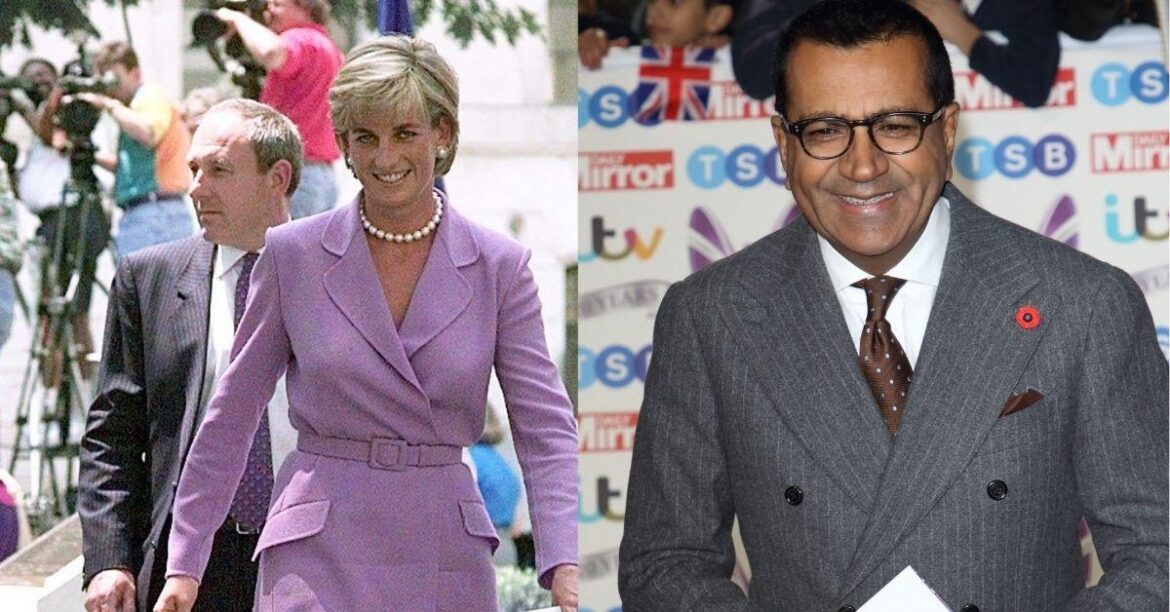
A new examination of historical events suggests the tragic trajectory of a beloved public figure may have been irrevocably altered by a single, deceitfully obtained television interview. According to a forthcoming publication, had the truth about the methods used to secure that conversation been revealed at the time, the subject might have lived a dramatically different life.
The book, set for release this week, delves into the 1995 televised sit-down where a prominent royal spoke with unprecedented candor about her personal struggles within the institution. The conversation, watched by hundreds of millions globally, sent shockwaves through the establishment.
The work’s central claim is that the journalist who conducted the interview employed fraudulent tactics to gain his subject’s trust and cooperation. It is reported that falsified bank statements were presented to the royal, a deception that senior broadcast executives were allegedly aware of but failed to properly disclose.
The author argues this act of bad faith had profound and devastating consequences. The interview, he posits, left the royal isolated and exposed, setting in motion a chain of events that culminated in her untimely death in a Paris car accident just two years later. The narrative suggests that, had she been warned of the journalist’s duplicity, her trust would have evaporated and her subsequent path would have diverged.
“Her life became untethered,” the author is quoted as stating, describing the period between the broadcast and her passing as “frenzied.” He presents a stark counterfactual: a life potentially extending into the present day, filled with the private role of a grandmother, rather than a legacy defined by public tragedy and loss.
A close family member of the royal has echoed these sentiments, asserting that high-level complicity within the broadcasting corporation created the conditions that left her vulnerable. The family member contends the deception directly contributed to the circumstances surrounding her fatal incident.
Critically, the book notes the royal never learned the truth about the journalist’s manipulations before her death, remaining convinced of his integrity. The implication is clear: knowledge of the fraud would have changed everything. This analysis presents a sobering reflection on media ethics, institutional accountability, and the fragile intersection of private life and public spectacle.