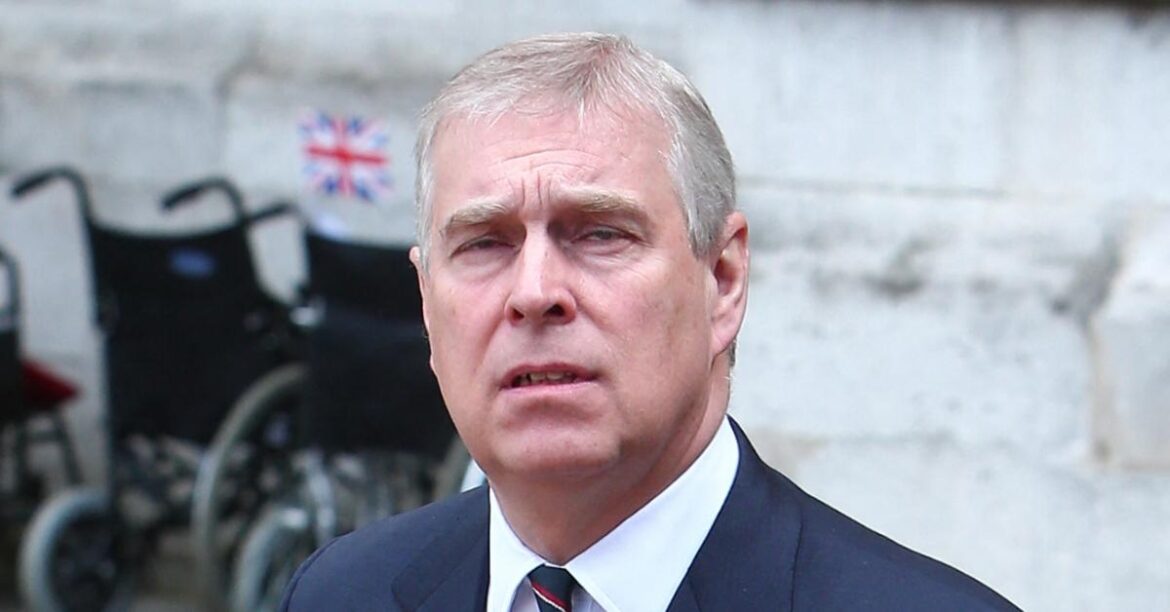
A recent adjustment to a former royal’s official name has sparked discussion, not for the change itself, but for a small, yet historically significant, grammatical detail that was initially omitted.
Earlier this year, following the removal of his royal titles and military honors, the individual formerly known as the Duke of York was officially designated as Andrew Mountbatten Windsor. However, it has now been reported that this name may require a further revision to include a hyphen, making it Andrew Mountbatten-Windsor.
This punctuation mark carries considerable historical weight. It originates from a 1960 declaration by the late monarch, who established that her descendants without princely titles would bear the combined surname Mountbatten-Windsor. This decision, announced just prior to the birth of her third child, was seen as a gesture to her husband, who had reportedly expressed frustration at his family name not being formally recognized in the royal line.
The initial release of the name without the hyphen was noted by observers. A royal historian commented that its omission was surprising given the established precedent, suggesting the hyphen serves to preserve the Mountbatten name for posterity, fulfilling the original intent of the 1960 declaration.
The renewed focus on this technicality adds another layer to the public repositioning of the figure, whose association with a convicted financier led to his withdrawal from royal duties. While the change is administrative, it underscores the enduring formalities and historical protocols that govern the institution, even for those no longer representing it.