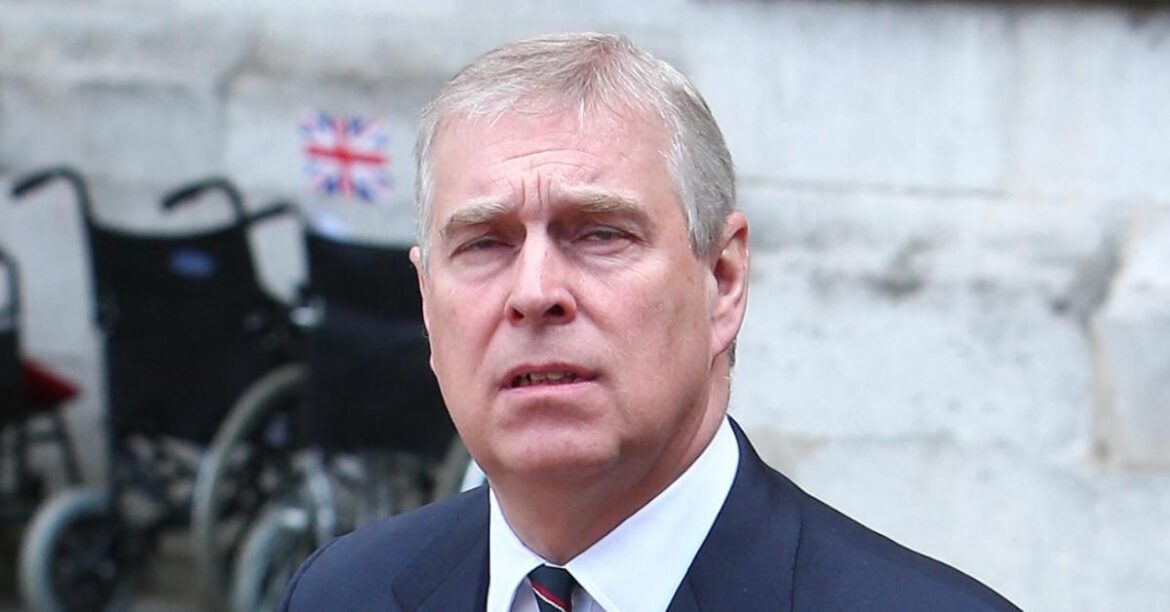
A recent adjustment to a former royal’s official name has highlighted a decades-old family decree and the personal dynamics within the monarchy. The individual, formerly known as the Duke of York, is now styled as Andrew Mountbatten Windsor following the removal of his princely titles earlier this year.
However, this new designation may be short-lived. Reports indicate that a correction is likely, reinstating a hyphen to form “Mountbatten-Windsor.” This change would align the name with a historic precedent established in 1960.
That year, the late monarch issued a formal declaration, stating that her descendants without princely titles would bear the combined surname Mountbatten-Windsor. This decision, announced just prior to the birth of her second son, was widely seen as a conciliatory gesture toward her husband. Historical accounts suggest he had expressed frustration at feeling unable to pass his own family name to their children, famously quipping it made him feel “like nothing but a bloody amoeba.” The hybrid surname was thus a means of preserving the Mountbatten lineage for future generations.
The initial omission of the hyphen in the recent statement was noted by observers. A royal historian commented on the discrepancy, expressing surprise given the established historical precedent. “The privy council declaration was a way in which the name Mountbatten could be preserved,” the historian noted, adding that despite subsequent controversies, the reinstated hyphen would ensure that particular part of the family heritage endures.
The ongoing attention to this formal detail underscores the complex interplay between personal identity, family history, and institutional protocol, even for those who have stepped back from frontline royal duties. The anticipated revision serves as a reminder of a sovereign’s lasting influence on matters of dynasty and nomenclature.