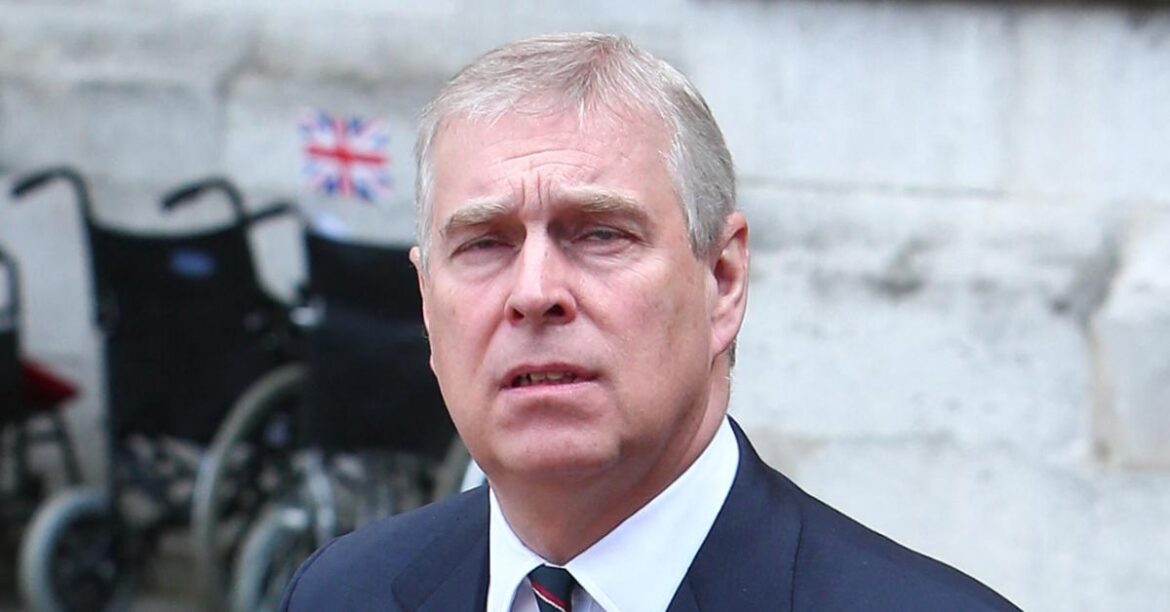
The ongoing recalibration of a former senior royal’s public identity has taken another turn, with attention now focused on a seemingly minor but symbolically significant piece of punctuation.
Earlier this year, following the stripping of his royal titles and military affiliations, it was announced that the former Duke of York would be known simply as Andrew Mountbatten Windsor. However, recent reports indicate this styling may be amended to include a hyphen, reverting to Andrew Mountbatten-Windsor.
This adjustment is said to align with a historic precedent established over six decades ago. In 1960, a declaration was made that descendants of the monarch without princely titles would bear the hyphenated surname Mountbatten-Windsor. This decision, formalized just weeks before the birth of the Queen’s third child, was widely seen as a conciliatory gesture toward her husband, Prince Philip. It served to incorporate his adopted surname, Mountbatten, into the royal family’s official lineage, addressing his reported frustrations.
The original omission of the hyphen in the recent announcement was noted by observers. One historian commented on the significance, stating that the hyphen’s reinstatement honors the original compromise and ensures the continuation of the Mountbatten name within the family’s heritage, a point believed to have been important to the late Duke of Edinburgh.
The episode underscores the complex interplay between personal identity, family history, and public protocol, even for those who have stepped back from official royal life. The correction, while administrative in nature, touches on a foundational element of the modern monarchy’s familial identity.