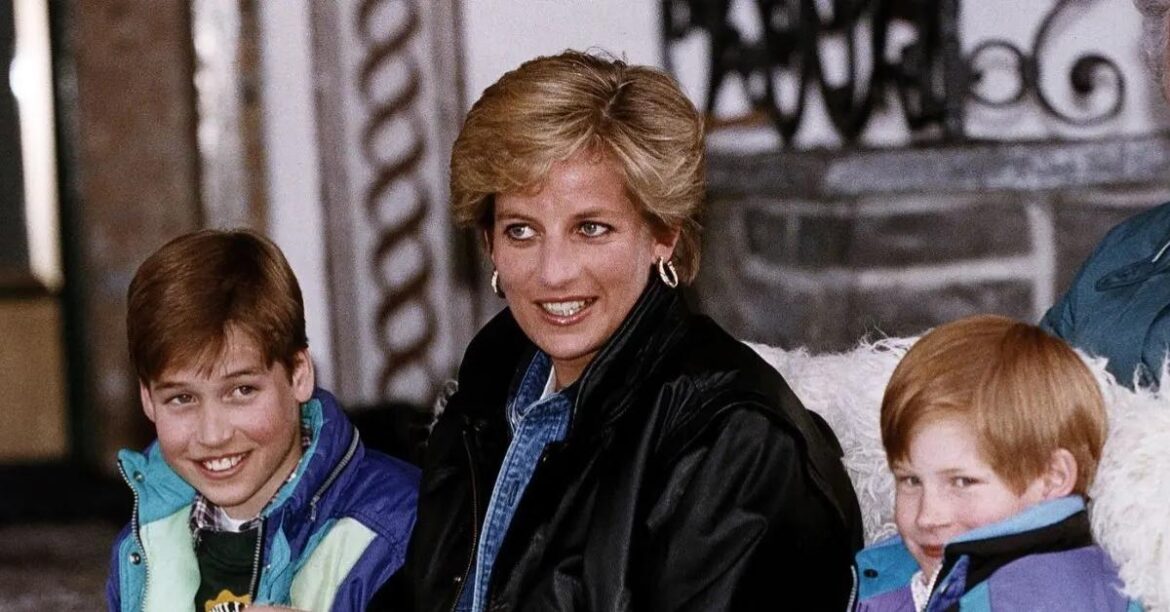
The untimely death of Diana, Princess of Wales, in a 1997 Paris car crash remains one of the most defining tragedies of the modern era. A new examination of the events preceding that night suggests her fate was not merely an accident of circumstance, but was set on a catastrophic path years earlier by deceit and institutional failure.
Central to this claim is the infamous 1995 television interview, a global sensation at the time. According to recent investigative accounts, the journalist who secured that exclusive, Martin Bashir, employed profoundly unethical methods. He is alleged to have used forged documents and a campaign of psychological manipulation—described as “grooming” and “gaslighting”—to win the Princess’s trust and coerce her participation. The objective, it is argued, was to steer her toward making specific, damaging revelations on camera.
The most severe allegation is that executives at the British Broadcasting Corporation (BBC), which aired the program, became aware of these deceptive tactics soon after but chose to conceal them. Had the broadcaster acted on this knowledge and upheld its duty of care, the argument follows, the subsequent chain of events might have been broken.
The interview’s aftermath was immediate and isolating for the Princess. Trusted advisors, including her private secretary, were dismissed shortly thereafter, leaving her increasingly vulnerable and surrounded by fewer protective influences. This seismic shift in her personal and professional life, critics contend, placed her on a new and perilous trajectory.
While the direct causes of the fatal crash in the Pont de l’Alma tunnel are a matter of legal record, this perspective posits a deeper, more insidious causality. It frames the tragedy not as a single event, but as the endpoint of a series of betrayals that began in a television studio. The assertion is stark: had the truth about the interview’s procurement been exposed and addressed in 1995, the Princess of Wales might have been shielded from the circumstances that led her to Paris on that August night.
The story transcends a simple media scandal. It is presented as a profound historical inflection point—a tale of manipulation, corporate cover-up, and a life diverted onto a disastrous course. The enduring fascination lies in the haunting question of what might have been, and in the sobering lesson of how the violation of trust at the highest levels can echo with irreversible consequence.