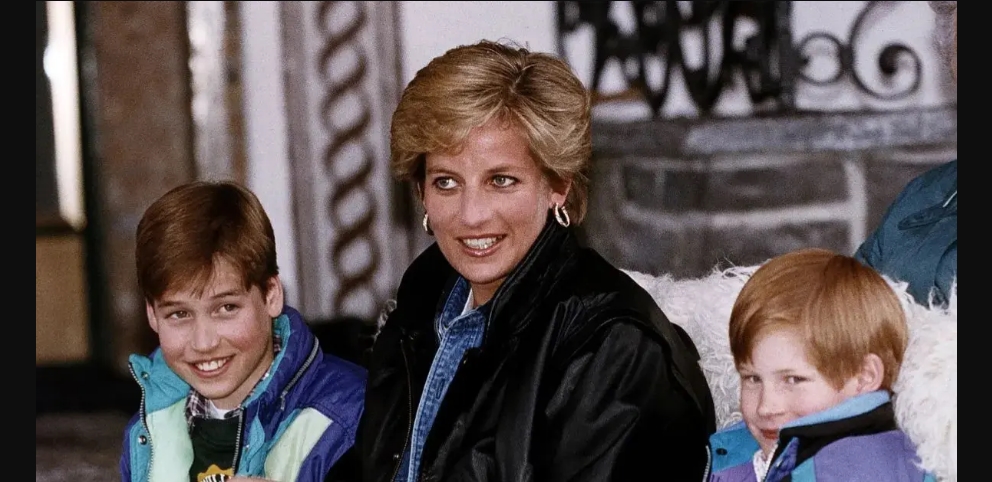
A new examination of the events leading to the death of Diana, Princess of Wales, suggests her life could have taken a radically different course were it not for a single, fateful television interview.
The claim centers on the 1995 BBC Panorama program, for which the princess was interviewed by journalist Martin Bashir. According to a recent account from a veteran reporter, the methods used to secure that interview were fundamentally corrupt. It is alleged that Bashir employed deception, presenting forged documents and repeatedly lying to both Diana and his employers about his actions. This campaign of manipulation, described as a form of “grooming” and “gaslighting,” is said to have isolated the princess from her trusted advisors and altered her decisions in the tumultuous period that followed.
The reporter argues that had the BBC properly investigated and exposed Bashir’s conduct at the time, the subsequent chain of events might have been broken. The implication is clear: with different counsel and a different trajectory, the circumstances that led to the tragic car crash in Paris in 1997 may never have aligned.
This narrative paints a picture of a profound betrayal, where journalistic malpractice is seen not merely as an ethical breach but as a pivotal factor in a historical tragedy. The story is framed as a unique and enduring scandal, one whose details of deception and consequence are predicted to resonate for centuries. At its heart, it is a sobering reflection on how the pursuit of a story, through illegitimate means, can irrevocably change the course of a life.