A seismic shift has occurred in the world of fashion media. Anna Wintour, the globally recognized figure who has defined the visual and editorial direction of Vogue for over three and a half decades, has concluded her tenure as the magazine’s editor-in-chief.
The announcement was made directly to staff, marking the end of an era that began in the late 1980s. While she will relinquish day-to-day leadership of the iconic publication, Wintour will maintain her broader executive roles within the Condé Nast organization, overseeing a portfolio of other prominent titles.
Her influence on the industry is immeasurable. Arriving at the magazine in the early 1980s, Wintour’s approach was immediately disruptive. Her inaugural cover broke with established convention, favoring a more spontaneous, less polished aesthetic that signaled a new direction. She later reflected that the image simply felt like a necessary change, a sentiment that came to define her leadership.
Throughout her career, she consistently used the cover as a platform for cultural commentary, featuring a diverse array of public figures from politics, sports, and entertainment, often generating significant public discourse.
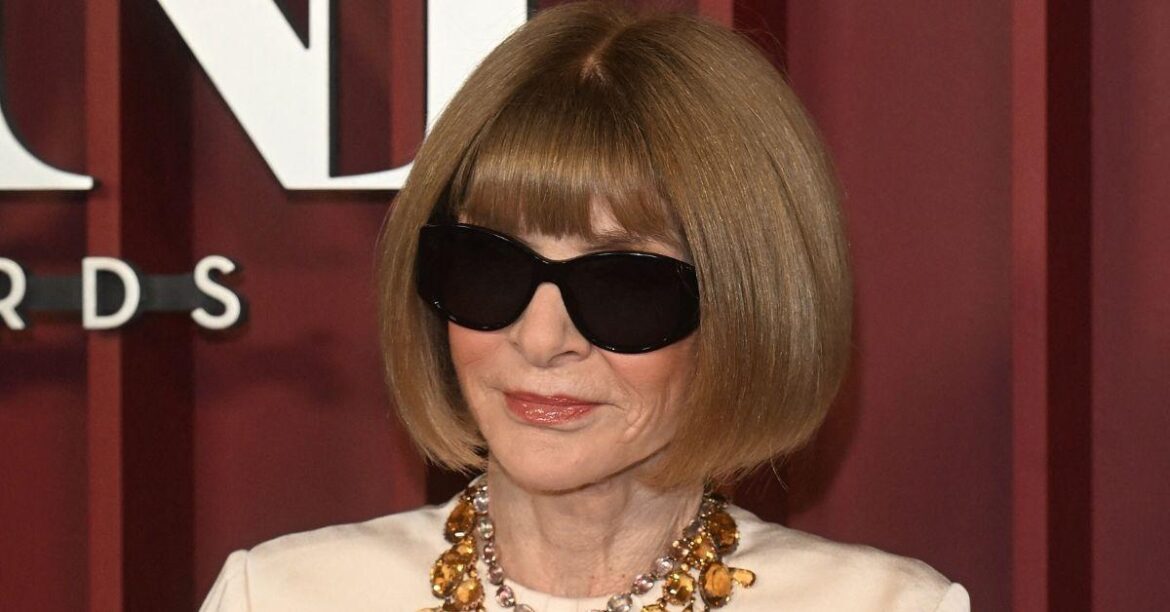
Her impact extends far beyond the printed page. She is synonymous with the prestigious Met Gala, which she has helped steer for decades, and has been instrumental in guiding emerging design talent through a major industry fund. Her personal style—a precise blonde bob and trademark sunglasses—has itself become an indelible part of fashion iconography.
This leadership transition occurs against a backdrop of restructuring within the wider publishing group, which has undergone several rounds of workforce reductions in recent years. Wintour’s departure from this specific role signals a pivotal moment for the publication she shaped for generations. The search for a successor to guide Vogue into its next chapter is now underway.