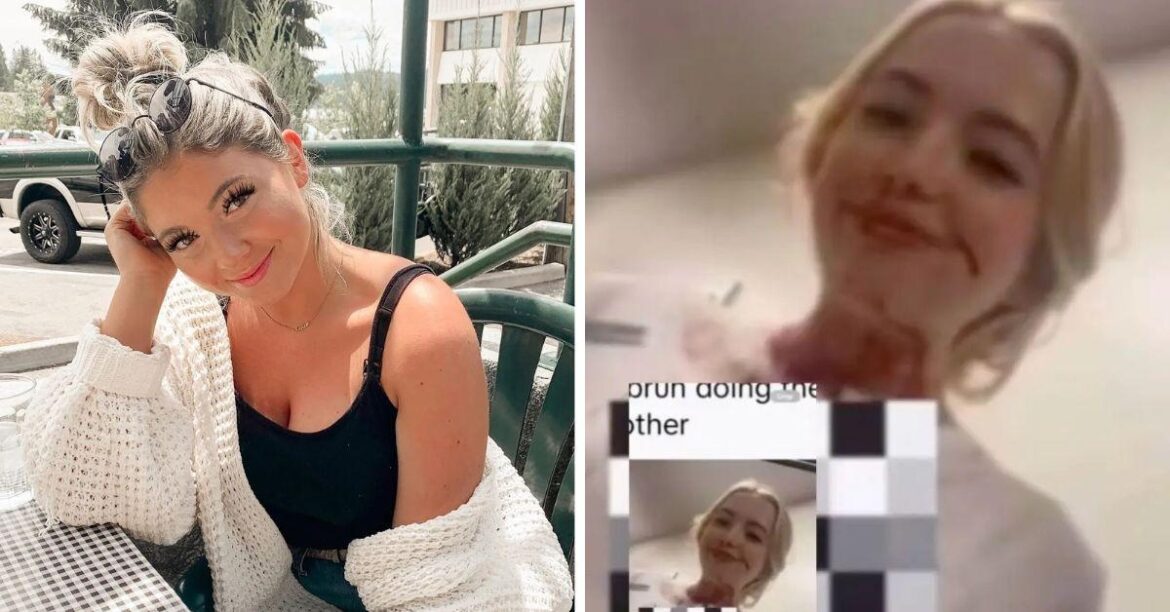
The family of a young woman killed in a high-profile Idaho murder case has publicly denounced the production of a forthcoming television film about the tragedy, calling the actors’ behavior “in poor taste” and accusing the network of exploitation.
The movie, which chronicles the 2022 killings of four University of Idaho students, has drawn significant criticism after actors were seen in social media videos celebrating on set while still wearing blood-stained costumes. The parents of victim Kaylee Goncalves issued a forceful statement condemning the footage, which has since been removed from platforms.
“We are hurt. We are disappointed,” the family said. “It has been less than six months since the legal proceedings concluded, and our emotions remain very raw. To see this transformed into entertainment is profoundly distressing.”
The film is part of a series known for dramatizing recent true crimes. The Goncalves family specifically criticized the actors for “dancing around while still in costume” and suggested the project’s media manager should be dismissed. They emphasized that their daughter and the other victims were not mere headlines, but real people with stolen futures.
Public backlash has grown swiftly, with an online petition demanding the production be halted garnering tens of thousands of signatures. The petition’s creator argued that the project capitalizes on a community’s trauma, stating, “It is absolutely heartbreaking to think that their untimely demise is being transformed into entertainment.”
The perpetrator in the case, Bryan Kohberger, a former criminology student, pleaded guilty last year to the quadruple murder. He received four consecutive life sentences without the possibility of parole, thereby avoiding a potential death penalty trial.
The controversy highlights ongoing ethical debates about the dramatization of recent, violent crimes, particularly when the families of victims are still grappling with acute grief. Critics argue that such productions often prioritize commercial gain over sensitivity, reopening wounds for those most affected by the real-life events.