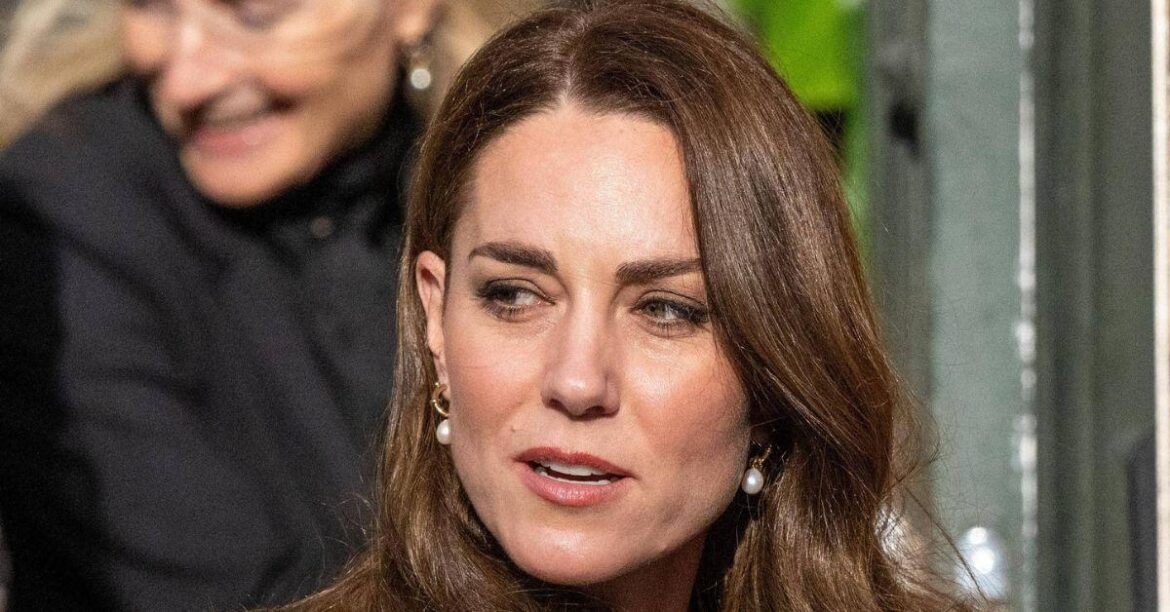
In a public appearance on July 2, a senior royal figure offered a remarkably candid and personal account of the ongoing challenges following cancer treatment. The visit to a hospital’s well-being garden marked a return to official duties and served as a platform to discuss a phase often overlooked: the difficult journey after active medical care ends.
Speaking with patients and staff, the royal described the post-treatment period as “really, really difficult.” She contrasted the determined “brave face” often maintained during therapy with the complex reality that follows.
“You’re not necessarily under the clinical team any longer, but you’re not able to function normally at home as you perhaps once used to,” she explained, emphasizing the value of guidance and support during this transitional time. She characterized the entire experience as “life-changing” not only for the patient but for their entire family, requiring them to “find your new normal.”
“The process takes time,” she noted. “And it’s a rollercoaster, it’s not smooth, like you expect it to be. But the reality is you go through hard times.”
This insight follows a period of intense public speculation about the royal’s health, particularly after a last-minute withdrawal from a major annual event earlier in the summer. The sudden change in plans reportedly caused significant concern and confusion behind the scenes, with rumors swirling about the state of her wellbeing. A friend later clarified that the decision was due to exhaustion following a busy schedule of engagements, noting there are “good days and bad days.”
The royal first shared her cancer diagnosis in the spring of 2024, subsequently undergoing chemotherapy. By that autumn, she had completed her course of treatment, and announced the cancer was in remission at the start of the new year. Her recent comments shed light on the continued personal battle that persists even after clinical remission is achieved, highlighting the profound and lasting impact of a serious illness.