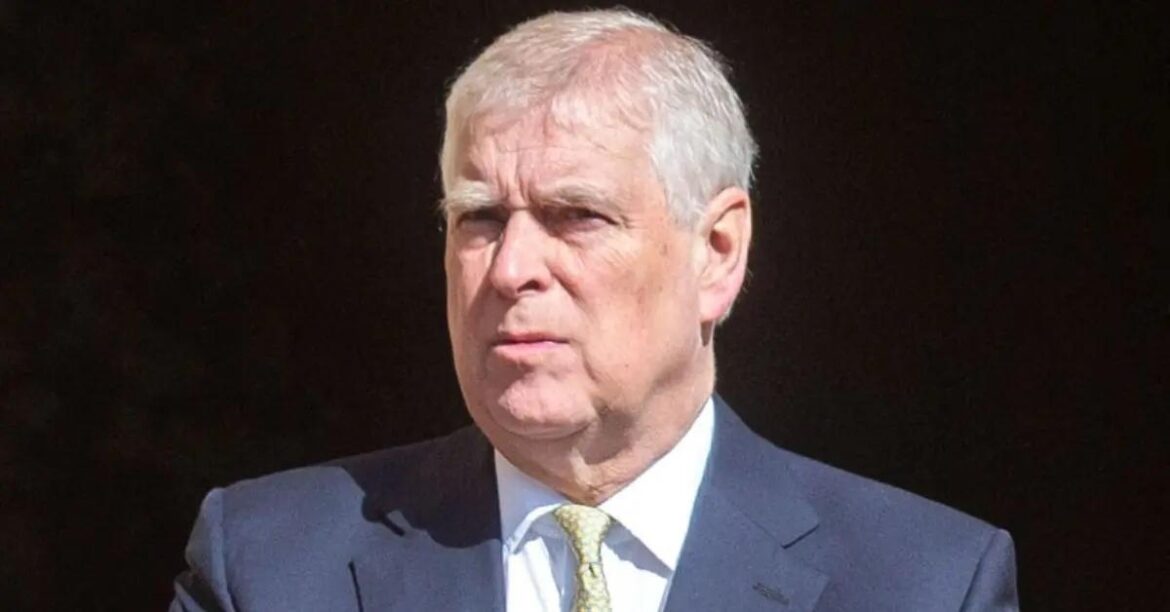
The removal of formal titles and honors from a prominent figure has left him significantly more exposed to potential legal challenges, according to observers. The individual, now known simply as Andrew Mountbatten Windsor, was recently stripped of his princely style and ordered to leave his official residence.
Experts suggest that the loss of his royal status has dismantled a key barrier that previously afforded him a degree of legal insulation. This change in circumstances is seen as making him vulnerable to the possibility of formal charges being pursued, particularly concerning his past associations. Public sentiment regarding his conduct is reported to be a contributing factor in this heightened exposure.
The decisive actions were formally enacted by royal authority. An official statement confirmed the initiation of the process to remove his titles and styles, noting he would henceforth be identified by his personal name. The statement also indicated that the lease on his former residence, which had provided certain protections, had been terminated, necessitating a move to private accommodation. These measures were described as necessary despite the individual’s continued denial of longstanding allegations.
The situation stems from years of controversy. The figure had previously stepped back from public duties several years ago amid scandal. More recently, he issued a statement indicating he had chosen to relinquish certain honors in consultation with the monarch, stating his desire to prevent ongoing accusations from distracting from the work of the institution. He reiterated a vigorous denial of all allegations against him.
The core allegations involve his association with a convicted financier, now deceased, who was imprisoned on serious charges. A woman had publicly accused the former royal of sexual assault, claiming the encounter occurred when she was a minor. Although a photograph existed showing them together, he consistently denied the accusations. The civil case was ultimately settled out of court. The accuser, who detailed her account in a memoir published posthumously, died earlier this year.