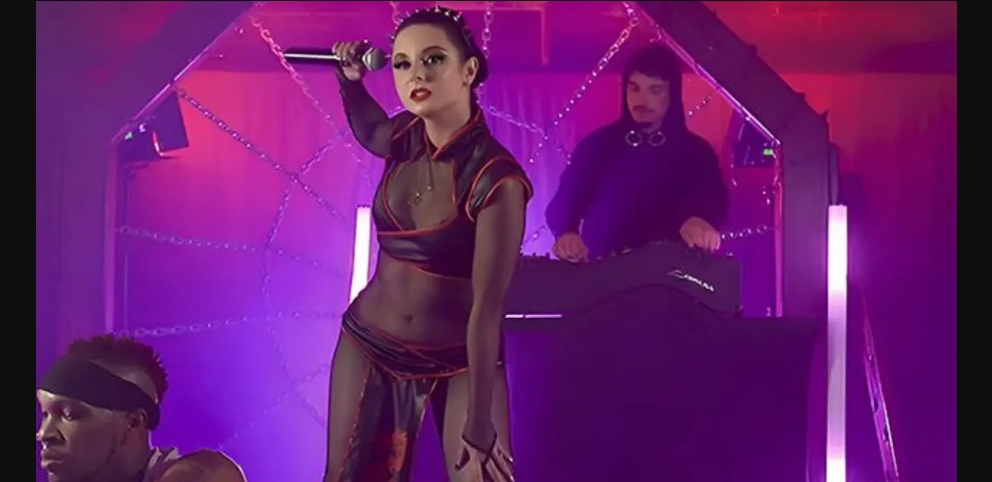
A powerful new track is resonating across international charts and social movements, transforming personal adversity into a universal message of resistance. The song “Love Gun” has evolved from a musical release into the centerpiece of a global campaign promoting peace and standing against online harassment.
The initiative, known as the “Love Gun for Peace” campaign, has mobilized creators worldwide. Participants share videos of themselves dancing to the track while spreading messages of unity, demonstrating art’s capacity to fuel social activism. The movement has gained significant traction, helping propel the song to notable chart positions, including a Top 5 spot on the UK Music Week Commercial Pop Club Chart and a place in Japan’s Spotify Top 10, with millions of streams globally.
Further expanding its impact, the track has also been embraced as a pride anthem, with DJs supporting a parallel “Love Gun for Pride” effort. This facet of the project aims to support LGBTQ+ communities facing discrimination. Notably, all proceeds from the song are directed toward educational charities.
The artist behind the music has spoken openly about the painful experiences that inspired its creation, detailing a campaign of cyberbullying and intimidation that escalated alarmingly. This included not only sustained online attacks but also a serious physical threat, which was fortunately thwarted by swift police intervention.
These harrowing events directly influenced the cinematic music video for “Love Gun,” which plays out like a spy thriller. It features the artist in a stylish, assertive role, ultimately confronting a digital antagonist—a symbolic victory over her real-world tormentors.
The journey of “Love Gun” underscores a profound truth: creative expression can be a formidable tool for healing and change. The artist credits the song itself with helping to recover from the emotional scars of targeted harassment, proving that a melody can indeed become both a shield and a rallying cry for others.