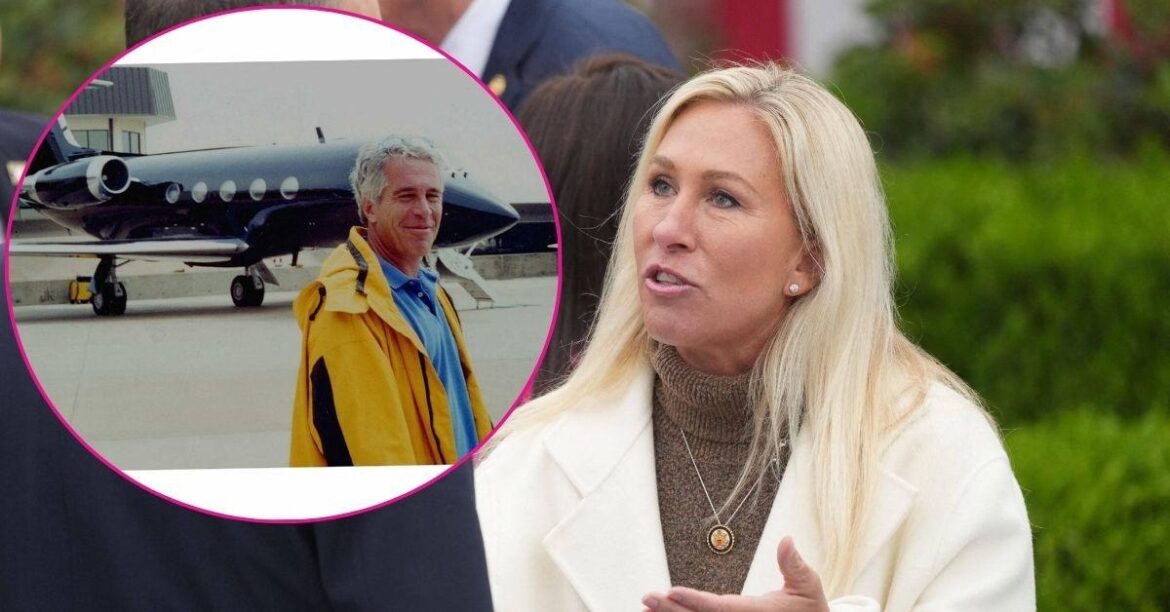
A prominent political figure has ignited a fresh wave of online debate following pointed public statements regarding the Jeffrey Epstein case and the perceived fairness of the U.S. justice system.
The controversy centers on comments made by Representative Marjorie Taylor Greene, who asserted that “America deserves the truth about Jeffrey Epstein and the rich powerful elites in his circle.” She sharply criticized what she described as a corrupt system, highlighting the disparity between a lengthy prison sentence given to a former congressman and Epstein’s initial 2008 plea deal, which resulted in 13 months of incarceration, largely under a controversial work-release program.
“The line is drawn with anyone who harms children and vulnerable people,” Greene stated, framing the issue as a fundamental test of judicial integrity.
The remarks were met with immediate and fierce criticism on social media platforms. Many critics accused the congresswoman of factual error, noting that Epstein died by suicide in a federal jail in 2019, just over a month after his arrest on new sex trafficking charges. Detractors flooded discussion threads with accusations of ignorance and misleading rhetoric.
However, a contingent of users defended the core of her argument, clarifying that her reference was to Epstein’s first encounter with the legal system over a decade prior. These individuals contended that the initial plea agreement, widely criticized as lenient, exemplified a pattern of preferential treatment for connected individuals. “The point stands about the ‘sweetheart’ deal from years ago,” one supporter argued, suggesting the episode revealed deep-seated inequities.
The online skirmish unfolds against a backdrop of renewed public interest in the Epstein saga. Recent official statements have sought to dispel certain persistent theories. David Schoen, who briefly represented Epstein in 2019, has publicly denied the existence of a so-called “client list” from his late client. Schoen also specifically addressed speculation about former President Donald Trump, stating that Epstein, during their attorney-client discussions, expressly denied having any compromising information on him.
“Jeffrey Epstein associated with numerous wealthy and famous people,” Schoen noted in a recent interview. “Merely appearing in an address book does not imply complicity in any wrongdoing.”
The heated exchange underscores enduring public skepticism and division regarding the Epstein case, touching on broader themes of power, accountability, and the perceived dual tiers of the American justice system. The incident demonstrates how historical cases continue to fuel contemporary political discourse and shape arguments about transparency and elite influence.