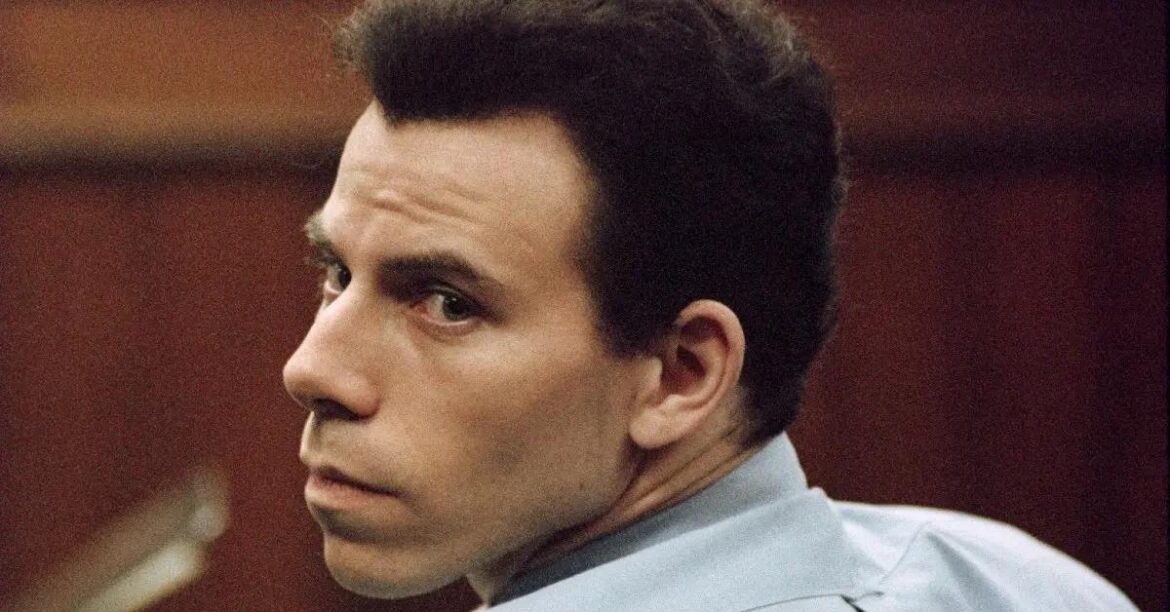
A new medical development is complicating the impending parole hearing for a man convicted in one of the most notorious murder cases of the late 20th century.
Erik Menendez, who along with his brother Lyle was convicted for the 1989 killings of their parents, has been diagnosed with a significant health issue, according to his legal representative. His attorney, Mark Geragos, has now made a public appeal for his immediate release from prison on medical grounds ahead of next month’s scheduled parole board appearance.
During a recent broadcast, Geragos confirmed his client is undergoing treatment for what he described only as a “serious medical condition,” citing privacy concerns. He argued that Menendez requires freedom to properly focus on his upcoming hearing and to potentially access specialized care unavailable within the correctional system. While specifics were withheld, reports indicate the condition involves kidney stones.
The attorney has formally requested that California’s governor grant a medical furlough, a power the state’s chief executive holds. Geragos suggested such an action would be “appropriate” given the circumstances. When pressed on whether the condition was life-threatening, he offered a non-committal response.
This health crisis arises shortly after a judicial ruling offered the Menendez brothers a pathway to potential freedom. Earlier this year, a judge resentenced both Erik and Lyle to terms that made them eligible for parole, citing their decades of incarceration and rehabilitation efforts since their 1990 arrests. The judge at the time acknowledged the brutality of their crime—shooting their parents in their Beverly Hills home—but noted that a sentence without the possibility of parole extinguishes hope and incentive for reform.
The brothers’ defense has long maintained that the murders were driven by a profound, long-standing fear. They alleged they acted to prevent their own deaths after threatening to expose years of severe sexual abuse by their father, claims which have been a central feature of their legal narrative for over three decades.
Erik Menendez, now 54, has been imprisoned since he was a teenager. The decision on whether to grant an emergency medical release now rests with state authorities, adding another layer to a case that has captivated public attention for generations. The parole board is still set to consider the broader question of his release next month.