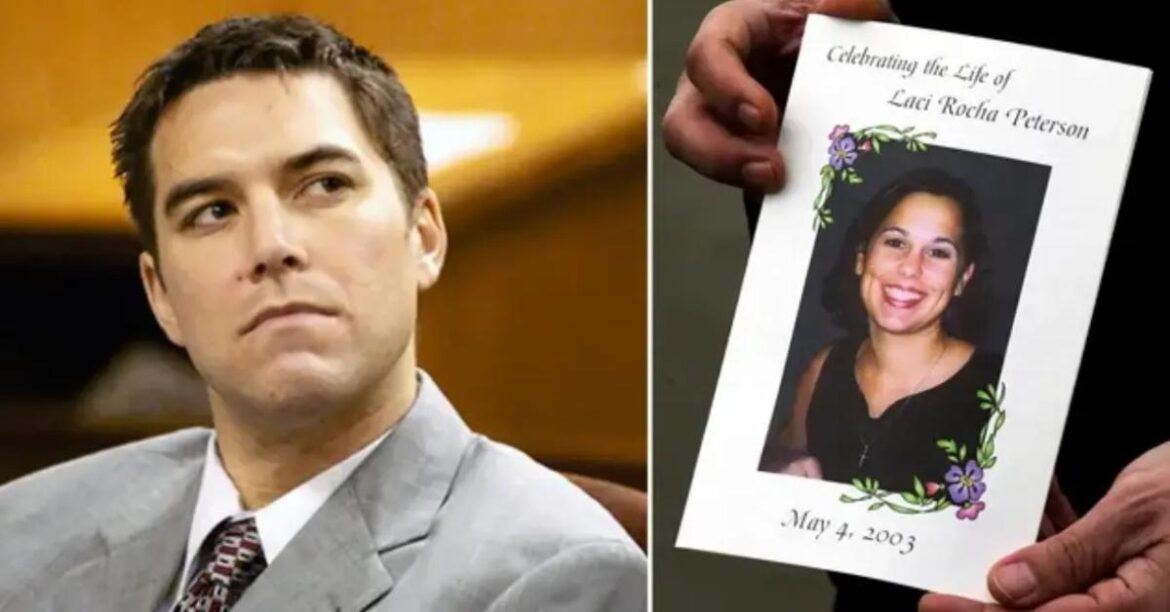
A high-profile murder conviction from the early 2000s is facing renewed scrutiny, with a prominent legal analyst asserting the original trial was fundamentally unfair. The case involves a man serving a life sentence for the murder of his pregnant wife over two decades ago.
The defendant was found guilty in 2004 of killing his wife, who was eight months pregnant, just before Christmas in 2002. He has maintained his innocence ever since. The recent involvement of a major legal advocacy organization, which has filed a lengthy appeal, has brought the controversial trial back into the legal spotlight.
According to the analyst, the prosecution’s case was built entirely on circumstantial evidence, lacking any direct scientific proof or eyewitness testimony. He suggested that the district attorney’s office may be vigorously defending the conviction out of concern that an appellate court could overturn it.
“The emotional charge of this trial was unprecedented,” the expert stated, referencing his extensive experience with murder cases. He described a jury profoundly affected by the circumstances, raising questions about whether an impartial verdict was possible. “I don’t know whether he did it or not. But I do know, to my mind, this wasn’t a fair trial.”
The appeal process is expected to be lengthy, potentially taking a year or more, due to the massive volume of trial transcripts and evidence that must be reviewed.
The analyst also addressed the significance of the advocacy organization taking on the case, noting that while their rigorous vetting process lends credibility to their involvement, appellate courts are not obligated to give their participation special weight. Public perception, he cautioned, does not dictate legal outcomes.
A central pillar of the new appeal appears to focus on the original police investigation. The legal expert pointed to widespread criticism that detectives suffered from “confirmation bias,” allegedly seeking only evidence that fit their initial theory while neglecting alternative leads or exculpatory information.
“There’s been a lot of criticism of how the police investigated this case because a lot of us think that they made up their minds early on,” he said. While acknowledging that proof of investigative failure does not, by itself, establish innocence, he argued it creates a substantial issue regarding the integrity of the trial.
The coming months will determine whether these arguments convince the appellate court to grant a new trial, potentially reopening one of the most notorious criminal cases of the 21st century.