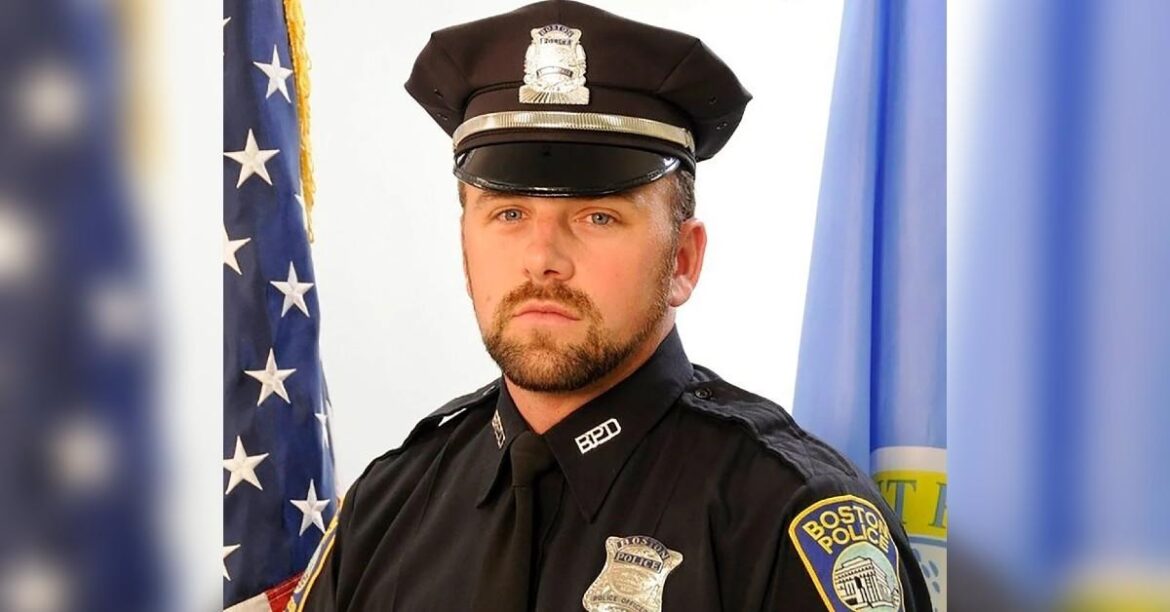
The acquittal of a Massachusetts woman in the death of her boyfriend, a Boston police officer, has legal analysts questioning whether the victim will ever see justice, citing what they describe as a deeply flawed investigation.
The woman was found not guilty of murder charges last week in connection with the 2022 death of her partner. The officer was discovered unconscious on a residential lawn and later died from his injuries. Prosecutors had argued she struck him with her vehicle while intoxicated. While convicted on a charge of operating under the influence, resulting in probation, she was cleared of the more serious allegations.
In the wake of the verdict, attention has shifted sharply to the conduct of the initial probe. A criminal defense attorney, speaking on a national program, leveled severe criticism at the police work, calling it “awful” and “dreadful.”
“The investigation suffered from profound, inherent flaws,” the attorney stated. “It is rare to see a case where evidence collection and scene security were handled so poorly. By failing to properly secure the area, critical potential evidence was lost.”
According to the attorney, the mishandling included a failure to photograph the condition of a vehicle at the scene and inadequate witness interviews. These missteps, he argued, created insurmountable gaps in the case.
Forensic details have further fueled doubts. The medical examiner’s report noted the victim sustained significant impact injuries to the head, including a laceration and skull fractures. The defense attorney pointed to testimony from a neurologist who indicated some facial injuries were inconsistent with a simple backward fall, raising questions about how they were sustained.
Following the trial, friends of the deceased officer released a statement condemning the outcome as a “miscarriage of justice,” alleging the prosecution was undermined by false narratives.
With the case now closed, the legal expert expressed a grim outlook. “Absent a new witness coming forward with corroborated information, this will likely never be truly solved,” he concluded. “The opportunity for a conclusive answer was lost in the initial, botched response.”