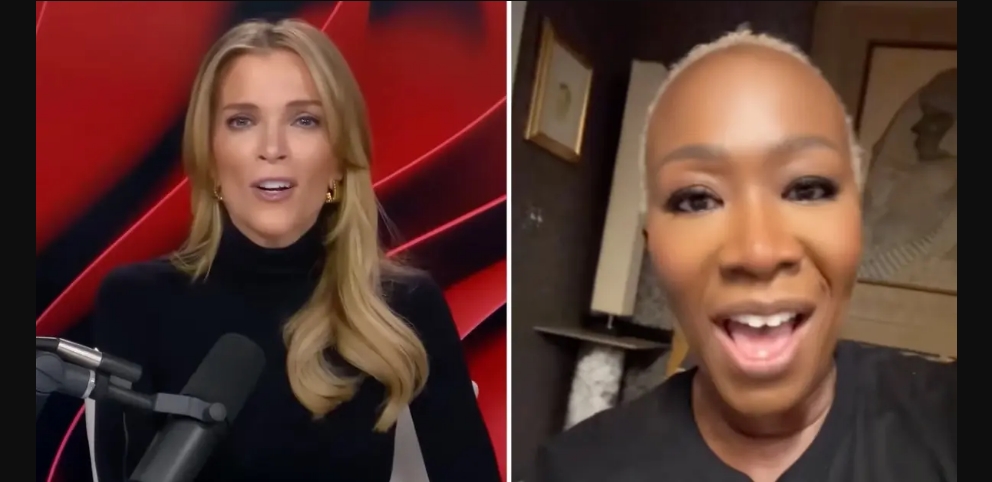
A prominent media commentator has issued a scathing rebuke of what she describes as “vicious” and “hateful” public speculation targeting a recent widow and her interactions with a high-profile political figure.
The controversy centers on comments made during a podcast, where the host engaged in extensive conjecture about the personal life of the widow, Erika Kirk. The discussion included unfounded suggestions about the potential for romantic involvement with the Vice President, J.D. Vance, and criticism of Kirk’s appearance at public events following her husband’s tragic death.
The commentator, responding on her own program, forcefully denounced this line of discussion as “disgusting” and “evil.” She defended Kirk, emphasizing that the widow is in a period of profound mourning and that her decision to attend ceremonial events, where she was honored for her late husband’s contributions, was an act of personal strength.
“To attack a woman in grief, to critique how she dresses while she holds herself together in public, and to invent salacious narratives about her personal life is beyond reprehensible,” the commentator stated. She highlighted the emotional toll on Kirk, noting that despite maintaining her composure publicly, the widow has been enduring significant private sorrow.
The speculative rumors appear to have originated from a public embrace between Kirk and Vice President Vance at a recent event. Some observers questioned the nature of their hug. Kirk has since addressed the moment, explaining that physical touch is a natural part of her communication and that her gesture was one of gratitude and blessing, not romantic implication.
The commentator contrasted this manufactured drama with the substantive political divisions in the country, sharply criticizing the podcast host’s suggestion that a potential relationship would fulfill a political “fantasy.” She labeled such rhetoric as emblematic of a deeper, more personal brand of hostility.
The incident has sparked a broader conversation about the boundaries of public discourse, the treatment of individuals in mourning, and the tendency to fabricate personal narratives around political figures and their associates.