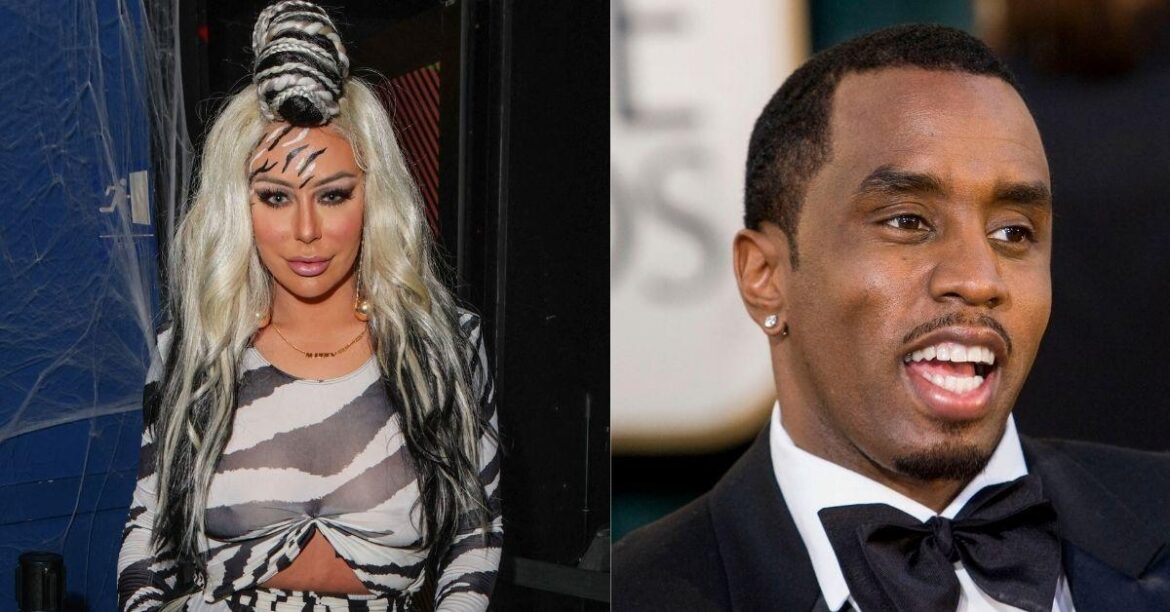
The filming of a television program dedicated to revisiting past cosmetic procedures was interrupted by a profound and somber moment this week. A participant, a singer and former reality television star, was informed on set of the arrest of her one-time mentor, the music mogul Sean “Diddy” Combs, on serious federal charges.
The news cast a palpable weight over the production. A doctor on the program later described the atmosphere as “very heavy,” noting the difficulty of discussing elective surgery amid such intense personal and emotional history for the star involved. The participant, Aubrey O’Day, was visibly affected, having previously expressed visceral distress over the legal developments concerning Combs.
O’Day’s professional history is deeply intertwined with Combs, who formed the pop group Danity Kane after she appeared on his MTV series Making the Band. Their association ended abruptly in 2008 when she was dismissed from the group. In recent years, O’Day has publicly detailed a period of alleged controlling behavior, emotional manipulation, and professional coercion during that time, claims that have resurfaced in the wake of Combs’s legal troubles.
The program itself, Plastic Surgery Rewind, explores the psychological motivations behind cosmetic procedures and the complex decision some individuals face in potentially reversing them. Medical professionals on the show emphasize that the desire to alter one’s appearance is often rooted in deeper, unresolved personal history.
“A person may believe their goal is to change a specific feature,” explained one of the show’s psychological experts. “What they frequently don’t realize is that the initial impulse stems from an event or trauma that may be decades old. Without addressing that core issue, changing one’s exterior can lead to a cycle of repeated procedures.”
The discussion on set broadened to examine the powerful influence of celebrity culture on beauty standards and the significant rate of regret reported by those who undergo cosmetic surgery. Estimates suggest nearly half of all patients express some form of regret afterward. For public figures, the experts noted, the emotional stakes of such decisions are even higher, as their professional identities can become entangled with their altered appearances.
A fellow panelist and television personality, who has personally undergone a procedure reversal, spoke about the importance of vulnerability and support in such journeys. “My role was to walk alongside them,” she stated. “It required being open to show that true beauty and perfection exist in one’s authentic self.”
The episode underscored a central theme of the series: that conversations about physical transformation are invariably about much more than surgery itself. They touch on personal history, societal pressure, and the ongoing journey toward self-acceptance—a journey that, for one participant this week, collided starkly with a fraught chapter from her past.