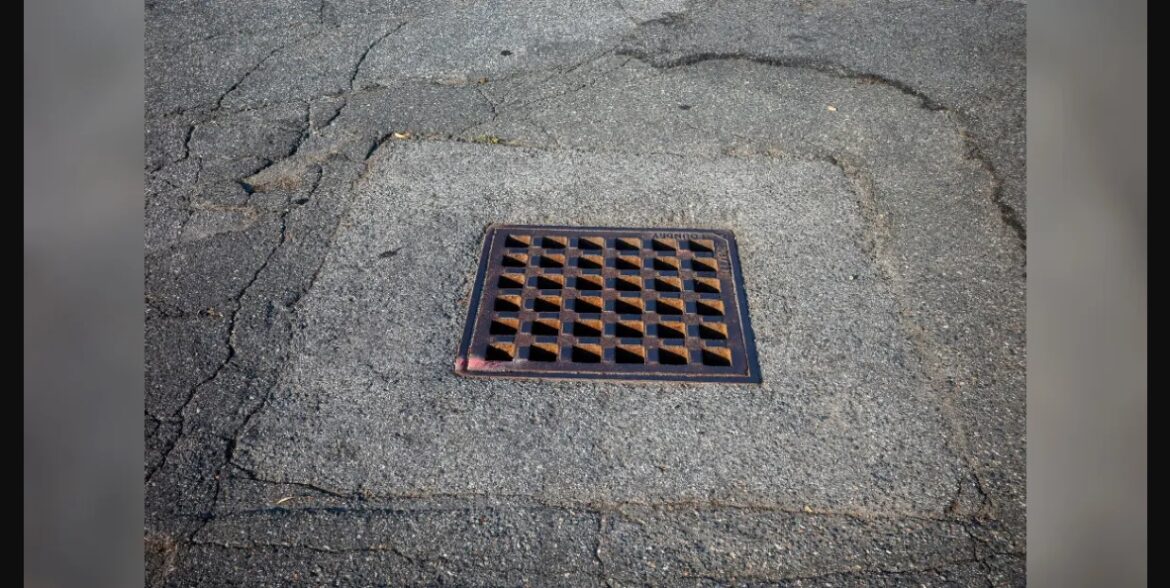
Stormwater drainage grates are a fundamental component of urban and suburban landscapes, serving as the critical interface between surface runoff and underground drainage systems. Their primary role is to manage water flow from rainfall, preventing flooding, protecting pavement integrity, and maintaining safe conditions for both pedestrians and vehicles. A well-chosen and correctly installed grate system is an investment in long-term infrastructure resilience.
Understanding Grate Function and Selection Criteria
These grates sit atop drainage channels, safely directing water while filtering out larger debris and preventing unauthorized access to the drainage network. Choosing the right unit requires evaluating several key factors to ensure performance and longevity.
1. Load Rating: Matching Strength to Application
The anticipated traffic over the grate dictates its required strength. Load classifications range from lightweight models suitable for sidewalks and pedestrian plazas to heavy-duty versions designed for roadways, loading docks, and industrial areas. Selecting a grate with an insufficient load rating risks structural failure, creating safety hazards and necessitating expensive repairs.
2. Material Choices: Balancing Durability and Environment
The construction material directly impacts a grate’s lifespan and maintenance needs.
Cast Iron: Prized for its exceptional strength and durability, it is a traditional choice for high-traffic areas, though it may require coatings to prevent rust.
Galvanized Steel: A cost-effective option where a zinc coating provides a layer of corrosion resistance, suitable for many municipal applications.
Stainless Steel: Offers superior corrosion resistance in harsh environments, such as coastal areas or locations exposed to de-icing salts, making it a premium, low-maintenance choice.
Polymer or Composite: Increasingly popular for their light weight, resistance to corrosion, and design flexibility, often used in parks and pedestrian zones.
3. Design and Hydraulic Efficiency
The size and pattern of the grate’s openings influence how quickly water can enter the system and how effectively debris is screened out. Larger openings increase flow capacity but may allow smaller litter to pass. Designs vary from simple bar gratings to decorative patterns; the key is ensuring the design does not impede water flow or become easily clogged by typical area debris.
4. Safety and Compliance
Safety is paramount. Grates should feature slip-resistant surfaces, especially in pedestrian areas. The installation must be flush with the surrounding pavement to prevent tripping hazards or vehicle tire damage. Furthermore, all products and installation methods must comply with local municipal codes and national standards for construction and public safety.
Installation and Long-Term Maintenance
Proper installation is as crucial as product selection. Grates must be set level and securely anchored within their frames to prevent movement, rattling, or theft. The underlying drainage channel must be correctly aligned to ensure water flows directly into the inlet.
Once installed, a routine maintenance schedule preserves functionality. This involves periodic clearing of accumulated leaves, sediment, and trash from both the grate surface and the immediate catchment area below. Inspections, particularly after major storms or seasonal changes, can identify issues like corrosion, sediment buildup, or structural damage early, preventing larger system failures.
Conclusion
Effective stormwater management hinges on the thoughtful integration of reliable components. By carefully considering load requirements, environmental conditions, material properties, and safety standards during the selection and installation of drainage grates, project managers and engineers can build robust systems. These systems not only mitigate flood risks but also protect infrastructure investments and enhance public safety for years to come.