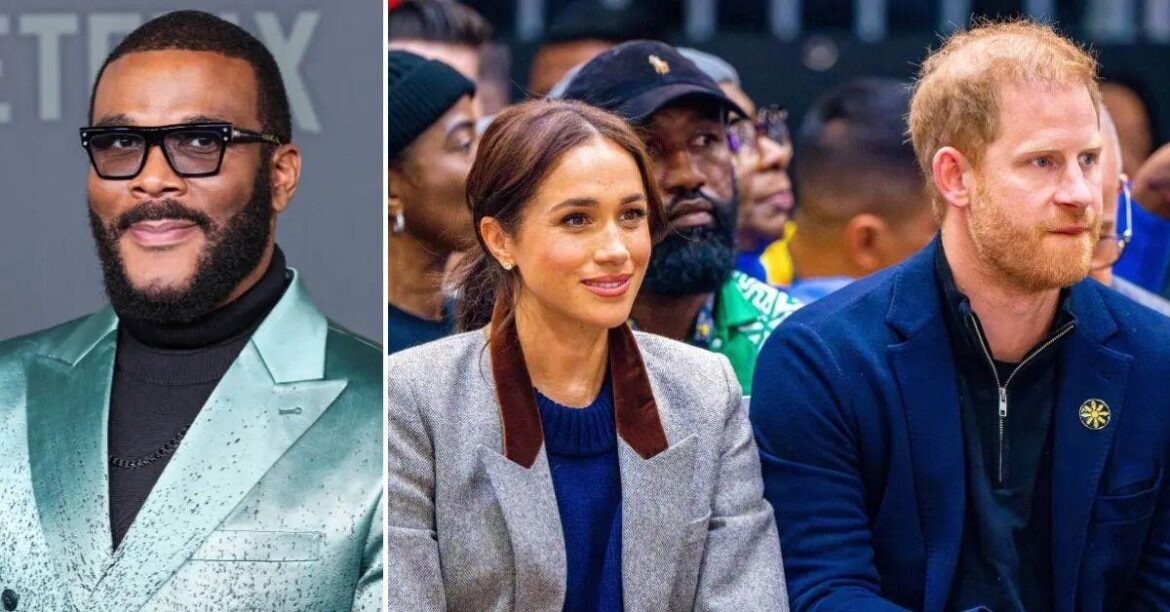
The decision by a high-profile couple to remain publicly silent regarding serious allegations against a close friend and benefactor has ignited a conversation about moral obligation, personal loyalty, and the calculus of public relations.
The friend, a prominent filmmaker, is facing a multi-million dollar lawsuit alleging sexual assault and harassment, claims which his representatives have vehemently denied as fraudulent. This individual played a pivotal role in the couple’s lives, notably offering them sanctuary in his home during a tumultuous period of transition and serving as a godparent to one of their children. He has also been one of their most vocal defenders in the media.
Observers of the couple’s public trajectory note that their current silence stands in stark contrast to the filmmaker’s past outspoken support. A commentator specializing in their affairs described the lack of a public statement as demonstrating a “total lack of moral courage,” suggesting the silence is a strategic move to avoid association with the scandal. This commentator argued the couple is in a precarious position: their standing in both entertainment and former institutional circles is seen as fragile, making any entanglement risky.
The analysis posits that this strategy may ultimately backfire. Should the filmmaker be cleared of the allegations, the couple’s perceived abandonment could be viewed as a profound betrayal, damaging trust with allies. Conversely, if the claims are substantiated, their decision to distance themselves could appear opportunistic, an attempt to protect their brand rather than act on principle.
The irony of the situation has been highlighted by another media voice, who pointedly referenced a past interview where one half of the couple famously stated, “Silence is betrayal.” The commentator suggested that from the accused’s perspective, any show of support from influential figures could be invaluable, not necessarily to determine guilt or innocence, but to influence the court of public opinion and professional viability within the industry’s ecosystem. The couple’s involvement, it was argued, could potentially sway other public figures to offer support, a common though controversial tactic in high-profile cases.
The depth of the personal relationship adds layers to the scrutiny. In previous interviews, the filmmaker recounted how he acted as a confidant during the couple’s initial move, describing long, therapeutic conversations. He also shared anecdotes of their extended, discreet stay at his property, a period he recalled as a “beautiful moment” of privacy and happiness for them.
The lawsuit itself contains graphic allegations of unwanted advances and physical intimidation, which the accused’s team has dismissed as a baseless attempt at financial gain. As the legal process unfolds, the surrounding narrative continues to focus not only on the allegations but also on the reverberations through personal relationships, examining the complex interplay between private loyalty and public persona in the glare of the media spotlight.