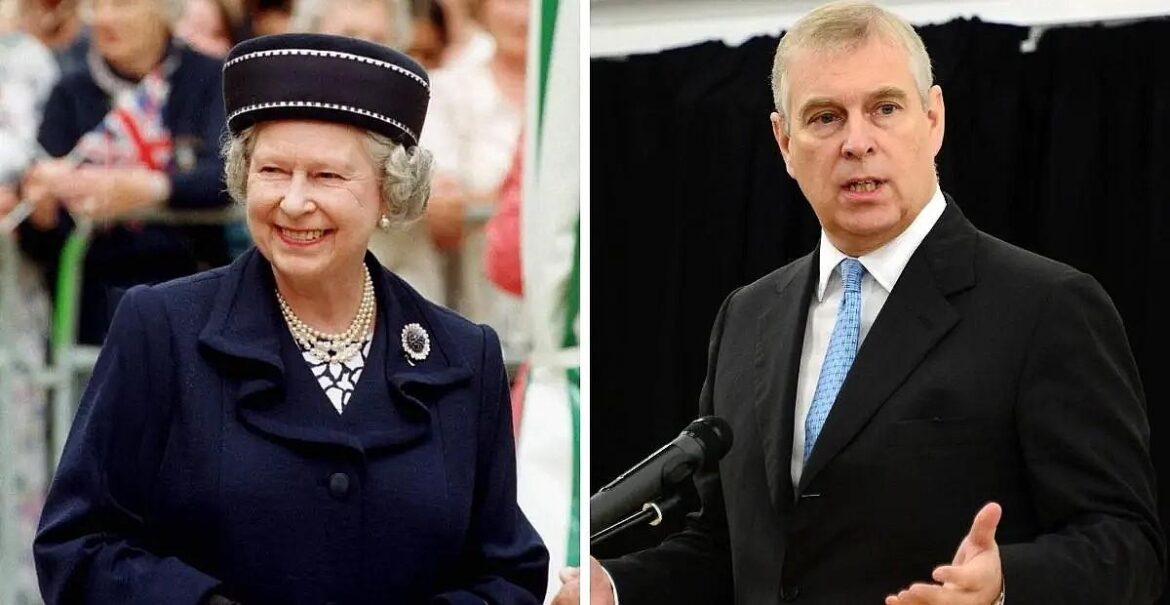
The death of a long-reigning monarch has precipitated the final, formal severance of a disgraced royal figure from the institution he was born into. Sources indicate that the passing of Queen Elizabeth II removed the ultimate protective barrier for her second son, leaving him exposed to the full consequences of his past associations and actions.
King Charles III has enacted a sweeping series of measures against his younger brother, actions described by observers as unprecedented in their severity for a working royal in modern times. The individual, formerly known as His Royal Highness The Duke of York, has been stripped of his princely title and military honors. He will now be known simply as Andrew Mountbatten-Windsor and has been ordered to vacate his official residence, a grand estate he has occupied for over fifteen years.
Royal commentators suggest these decisive steps were only possible following the Queen’s death. Insiders characterize the late monarch as having consistently shielded her son from the worst repercussions of his controversies, viewing him as particularly vulnerable. With that safeguard gone, the new King has moved swiftly to distance the Crown from the enduring scandal.
The central controversy stems from the brother’s past friendship with the convicted financier and sex offender Jeffrey Epstein. This association led to the royal’s withdrawal from public duties several years ago and has been a persistent source of reputational damage. A televised interview intended to address the matter in 2019 is widely regarded as having exacerbated the situation rather than alleviated it.
The ramifications extend beyond the former prince. His ex-wife, Sarah Ferguson, with whom he continued to share a home despite their divorce decades prior, has also lost her ducal title and must find new accommodations. Her own acknowledged financial dealings with Epstein have further complicated their position, with analysts suggesting both figures now face a profoundly uncertain future outside the formal structure of the Royal Family.
The King’s decision has been interpreted as a clear signal that traditional privileges are contingent on conduct. One source close to the matter stated the message is unambiguous: protections once considered absolute can be revoked. The former royal, now a private citizen, is said to be confronting a reality where he may even be expected to show deference to his own daughters, who retain their positions within the family.
This dramatic restructuring marks the conclusive end of a long-running saga for this branch of the family, effectively dissolving its formal ties to the monarchy and closing a chapter defined by scandal and institutional protection.