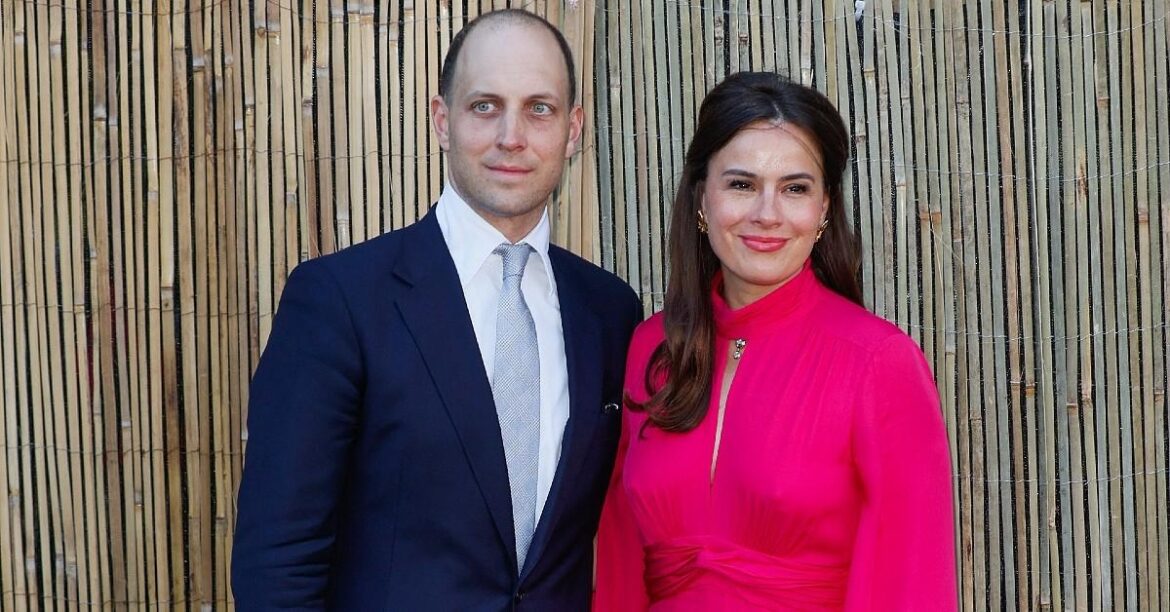
A member of the British aristocracy has offered a rare and candid glimpse into the psychological weight of life within the royal orbit, describing it as an unrelenting and profoundly challenging existence.
The individual, who entered the family through marriage over fifteen years ago, has broken with convention to discuss the intense pressures faced by those born into or marrying into the institution. In stark terms, she characterized the constant public and media scrutiny as a “form of torture,” highlighting the inescapable nature of a fame that is inherited, not sought.
“Their reality is one of a perpetual, blinding spotlight from the moment they are born,” she explained. “It fosters an environment where trust is fragile, betrayal is a constant fear, and falsehoods are regularly published as fact. The sheer relentlessness of it is brutal.”
Her observations point to a life path devoid of ordinary choices, where intense examination is a fixed condition. “That degree of scrutiny and pressure is not conducive to wellbeing,” she noted, expressing sympathy for family members who navigate this reality as a permanent state, without the option to step away from public view.
These frank assessments are understood to resonate with others connected to the household. While some within palace circles may view such directness as unusually forthright, the commentary is reportedly rooted in genuine observation and empathy gained from years within the inner circle.
The remarks arrive during a period of continued adjustment and public reckoning for the monarchy, following recent high-profile changes to its working structure. They also align with sentiments expressed by other family affiliates, including one who has publicly stated he would decline a royal title, emphasizing the continued need for personal profession and financial independence despite the perceived glamour of association.
Beyond her commentary on royal life, the individual has actively used her public voice to advocate for child welfare and has emerged as a prominent critic of the rapid integration of technology in education. She has recently raised alarms about the use of artificial intelligence in classrooms, arguing that schools should prioritize cultivating “deeply human skills” over reliance on what she termed the “neurological junk food of digital learning.”
“With systems that are instantly ageing,” she cautioned, “there is a risk that an over-reliance on AI becomes counterproductive to genuine learning.” Her advocacy underscores a focus on preserving human-centric development in an increasingly automated world.