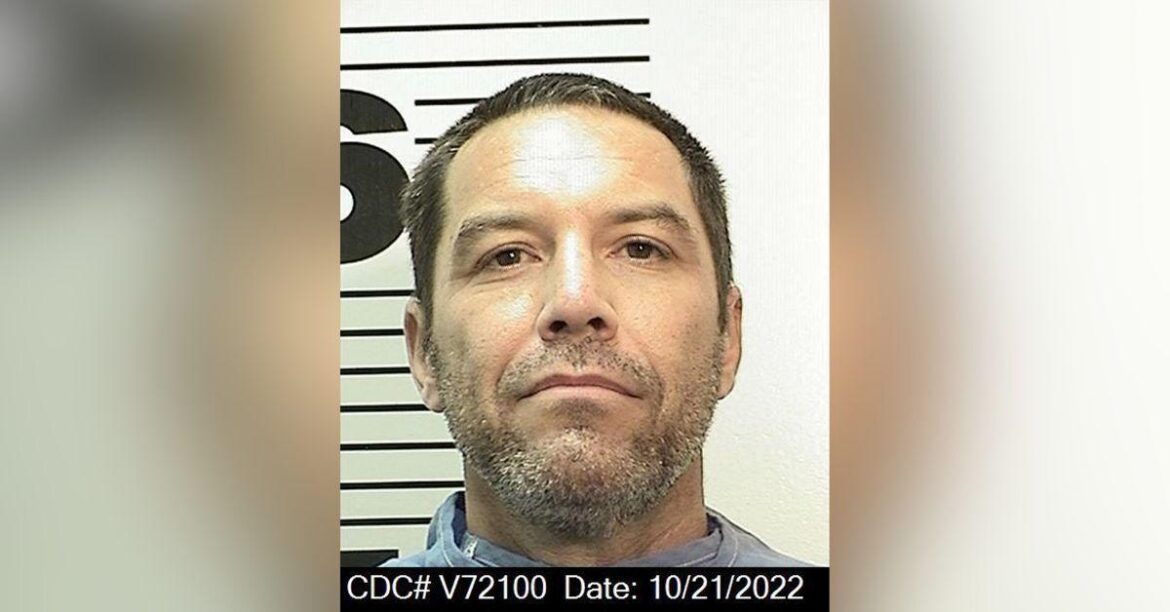
More than twenty years after being found guilty of the murders of his wife, Laci, and their unborn son, Conner, Scott Peterson remains imprisoned while mounting a persistent legal campaign to challenge his conviction.
The case, which captivated the nation, began when Laci Peterson, who was eight months pregnant, vanished from the couple’s Modesto, California, home on December 24, 2002. The remains of both Laci and Conner were discovered months later along the shoreline of San Francisco Bay in April 2003. Following a high-profile trial, a jury convicted Peterson in November 2004 on two counts of murder. He was initially sentenced to death.
That death sentence was later overturned by the California Supreme Court in 2020, which cited errors in the jury selection process for the penalty phase. The court, however, upheld the underlying guilty verdicts. Peterson was subsequently re-sentenced in December 2021 to life in prison without the possibility of parole.
In a significant recent development, the Los Angeles Innocence Project took on Peterson’s case in early 2024, filing a petition to overturn his conviction. The organization argues that new evidence supports Peterson’s long-standing claim of innocence and suggests the deaths may have occurred later than originally alleged, at a time when Peterson was already under police scrutiny. The filing includes a declaration from Peterson and contends that investigators ignored potential exculpatory evidence early in the case.
Prosecutors have maintained the original timeline, stating the murders occurred on or around the day Laci disappeared. A judge has so far granted limited post-conviction DNA testing on a single piece of evidence.
Peterson, who did not testify at his original trial, has consistently asserted his innocence. In a recent documentary, he expressed regret for not taking the stand and a desire to prove the truth.
The legal proceedings continue, with future hearings scheduled to address the defense’s motions. The case, marked by enduring public fascination and complex legal battles, appears far from its final chapter.